

 Login
Login
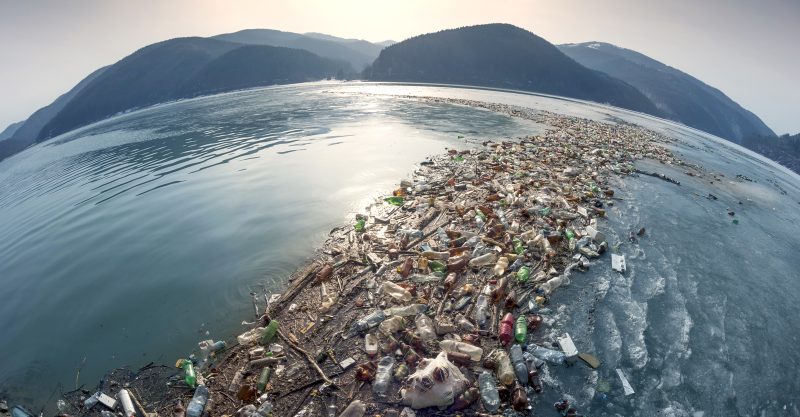


In a groundbreaking report published last month, researchers revealed that just 20 companies are responsible for producing 55% of all single-use plastic waste worldwide.
The 20 global businesses are both state-owned and multinational corporations, consisting mainly of energy and chemical giants, and are responsible for a plastic waste footprint amounting to more than half of the 130 million metric tons of single-use plastic thrown away in 2019, the analysis found.
The first “Plastic Waste Makers Index” report was produced by the Australia-based philanthropic Minderoo Foundation and warns that production of single-use plastics is set to grow 30% in the next five years, exacerbating both the climate crisis and ocean pollution.
Single-use plastics — cheap plastic goods that are used once and then thrown away, such as face masks, bottles, shopping bags, coffee cups and cling film — account for over a third of plastics produced every year and are almost entirely (98%) manufactured by fossil fuels.
“The cost of single-use plastic waste is enormous,” the report states. “Of all the plastics, they are the most likely to end up in our ocean, where they account for almost all visible pollution, in the range of five to 13 million metric tons each year. Once there, single-use plastics eventually break down into tiny particles that impact wildlife health — and the ocean’s ability to store carbon.”
These wasteful plastics, it continues, “contain chemical additives such as plasticizers that have been found in humans and are linked to a range of reproductive health problems. And if growth in single-use plastic production continues at current rates, they could account for five to 10% of the world’s greenhouse gas emissions by 2050.”
Despite the consequences to the environment, the report details how the plastics industry has operated with little regulation or transparency for decades and insufficient attention has been paid to the manufacturers of “polymers,” the foundation of all plastics.


According to the report, Australia leads countries in generating the most single-use plastic waste on a per capita basis, followed by the U.S., South Korea and Britain.
U.S. based companies ExxonMobil and Dow were the top corporate polymer producers, followed by China-based Sinopec, with these three companies together accounting for 16% of global single-use plastic waste.
Top global investors of the plastic industry included U.S. companies Vanguard Group, BlackRock, and Capital Group. Together with 17 other companies and financial institutions, these investors own over $300 billion in shares to parent companies of the major polymer producers. Twenty of the world’s largest banks, including Barclays, HSBC and Bank of America, are estimated to have lent nearly $30 billion for the production of polymers in the last decade.
“In the next five years, global capacity to produce virgin polymers for single-use plastics could grow by over 30% — and by as much as 400% for individual companies,” the report warns. “An environmental catastrophe beckons: much of the resulting single-use plastic waste will end up as pollution in developing countries with poor waste management systems.”
According to the report’s authors, “Transitioning away from the take-make-waste model of single-use plastics will take more than corporate leadership and ‘enlightened’ capital markets — it will require immense political will.”
Originally published by Common Dreams.
