Login
Login
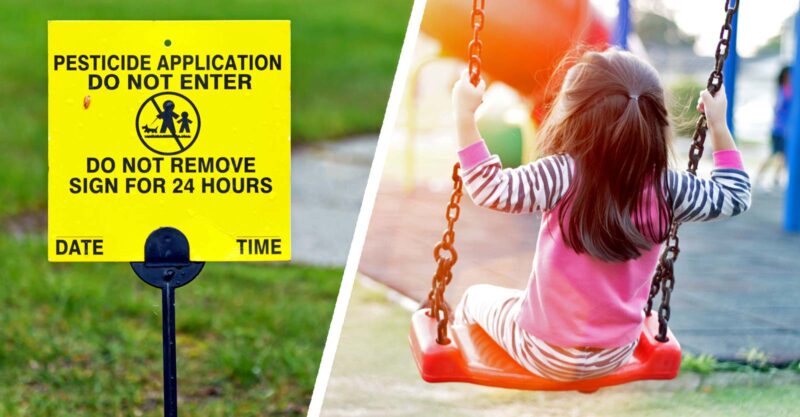


The Capistrano Unified School District in southern California has halted the routine use of pesticides and herbicides on its campuses for 60 days as concerns grow over a cluster of rare childhood cancer cases in Orange County.
The district includes Ladera Ranch, where 12 children and young adults have been diagnosed since 2023 with Ewing sarcoma, a rare and aggressive form of cancer that develops in the bones or soft tissue, primarily affecting children.
Many families believe the official count doesn’t capture the extent of the health issues affecting children in the area, according to the New York Post. Other children have had rare illnesses and pets have developed early cancer.
The decision to suspend pesticide spraying comes weeks after hundreds of residents packed a Ladera Ranch community meeting demanding answers about the link to possible pesticide exposure and the children’ s illnesses, local news station KTLA 5 reported.
During the pause, the district will review the products currently approved for use and maintain campus landscapes using preventative management practices and manual weed removal. It is considering a resolution that would establish an annual review of the herbicides and pesticides used in the district’s landscape maintenance program and encourage the use of safer alternatives.
It also plans to provide families with a frequently asked questions document explaining the review process and the policy changes being considered.
The possible link between pesticide use and the cancer cluster in Ladera is shining a national spotlight on the use of pesticides in and around schools as tens of millions of children across the country kick off the school year.

At least tens of thousands of schools vulnerable to pesticide exposure
Pesticide exposure for children in utero or during critical stages of development has been linked to birth defects, lower IQ, developmental delays, and increased risk for autism spectrum disorder, attention-deficit/hyperactivity disorder or ADHD, and cancer, according to the Pesticide Action & Agroecology Network.
Children are more vulnerable to chemicals in pesticides and herbicides because they’re more likely to learn through touch and more likely to put their hands in their mouths.
They also have higher metabolic rates, which means they take in more water, food and air. At the same time, because they are still developing, their bodies have a lower capacity to process and eliminate harmful chemicals.
Last year, the Environmental Working Group (EWG) analyzed pesticide spraying on agricultural fields near public schools across the country.
EWG found that 3,901 public elementary and middle schools are located within just 200 feet of crop fields that may be sprayed with harmful chemicals. Another 24,471 schools were located within a quarter-mile of a pesticide-treated field.
Pesticides can travel miles from where they’re sprayed. Research conducted by EWG found pediatric cancers linked to pesticide use up to 2.5 miles away.
Based on that data, EWG reported that 63,160 schools could be affected by pesticide spraying on agricultural crops — and that number doesn’t include private schools, parks, playgrounds and athletic fields that also may be within a 2.5-mile radius of crop spraying.
EWG warned that the Monsanto-backed legislation proposed by several states, or a proposed Farm Bill amendment that would block states from mandating warnings on pesticide labels beyond those required by the U.S. Environmental Protection Agency (EPA), could result in more children being exposed to pesticides at school.
In June, in a 7-2 decision, the U.S. Supreme Court held that Monsanto, now owned by Bayer, could not be sued under state failure-to-warn claims based on the absence of a cancer warning that the EPA did not require.
The Supreme Court ruling is similar to the state-level attempts to protect Monsanto and may also limit states’ ability to protect the public against harms from pesticides and herbicides.


This article was funded by critical thinkers like you.
The Defender is 100% reader-supported. No corporate sponsors. No paywalls. Our writers and editors rely on you to fund stories like this that mainstream media won’t write.
Schools still allowed to use glyphosate weedkillers
Agricultural spraying is only one form of pesticide exposure for schoolchildren. Children across the country are also exposed to a wide variety of chemicals used for pest and weed control on school campuses.
To minimize that risk, schools should use Integrated Pest Management (IPM) strategies to minimize student, teacher and staff exposure to pesticides, according to Robina Suwol, executive director of California Safe Schools.
This protocol doesn’t eliminate the use of pesticides and herbicides, but it focuses on monitoring and preventing pests — by closing gaps, attending to maintenance issues, setting traps and using low-toxicity pesticides. It limits pesticide use to a last resort, according to the EPA.
Over 53 million students attend 120,000 K-12 schools in the U.S., taught by 6.5 million teachers. Yet only a small percentage of schools across the country have IPM programs.
Writing in Common Dreams, Suwol advocated for more schools to implement the Los Angeles Unified School District IPM Policy that her organization helped develop.
It embraces the precautionary principle and informed consent. When there is credible evidence that a chemical may harm children’s health — even if it hasn’t been scientifically proven — the policy mandates that schools take “preventative action.”
It also led to a California law, which requires schools to notify parents and staff who request warnings 72 hours before pesticides are used and to keep records of pesticide applications.
However, even the California law — the strictest in the country — doesn’t ban chemicals such as glyphosate, which continues to be one of the most widely used chemicals at schools in the state. Some school districts have banned its use, but many allow it.
The Capistrano Unified School District has an IPM in accordance with the California Healthy Schools Act, yet it has decided to temporarily halt all pesticide use as it investigates the issue.
Beyond Pesticides has called the California Healthy Schools Act a “low bar” for protecting children from hazardous chemicals, but praises the Los Angeles Unified School District’s policy as an important step forward within the California framework.
Related articles in The Defender
- 6 Children in 1 Town Developed Rare Cancer. After Teen Dies, Families Demand Answers About Routine Use of Pesticides
- 11 Pesticides EPA Should Ban or Restrict to Protect Infants and Children
- Glyphosate Poses ‘Profound and Permanent’ Risks to Kids: Children’s Health Defense Urges U.S. Supreme Court to Rule Against Bayer
- ‘Feeding America Safely’: Pesticides, Regulatory Failures, and America’s Chronic Disease Crisis
- MAHA Report Falls Short on Pesticides, Experts Say
- Booker Launches Bill That Gives Citizens Right to Sue Pesticide Makers as House Pushes Measure to Protect Big Chemical