Login
Login
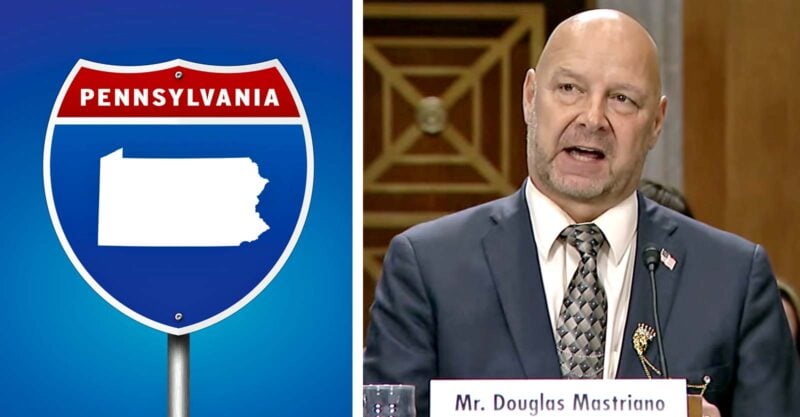


Following a wave of public opposition — including over 10,000 public comments — the Pennsylvania Department of Health has withdrawn its controversial proposal to grant itself substantially expanded powers during disease outbreaks.
The department had sought sweeping changes to Pennsylvania’s disease control regulations that would have allowed state health officials to impose stringent public health measures during outbreaks — including mandating masks, increasing vaccine surveillance and giving health officials access to students without their parents’ consent.
Commenting on the public response, state Sen. Doug Mastriano said in a statement:
“That is an extraordinary response, and a victory for the people of Pennsylvania. The citizens read what the government was proposing, remembered what happened during COVID-19 and spoke out, because we already fought this battle.”
Rather than proposing a bill and debating it in the General Assembly, the health department sought expanded powers by rewriting its regulations, typically a bureaucratic function.
But after the department submitted the proposal to the Independent Regulatory Review Commission and opened it for public comment, more than 10,000 people and organizations submitted comments, the majority opposing the changes, according to Mastriano.
Among those who opposed the changes was a group of state senators who fired off a 40-page letter detailing their objections.
Late last week, the department said it would rewrite and resubmit the proposed changes at a future date.
Proposal followed COVID-era court loss
The health department began drafting the proposed changes in 2024, in part in response to a lawsuit it lost during the COVID-19 pandemic.
In November 2021, Pennsylvania parents sued the department over its attempt to institute a statewide mask mandate in schools.
In December 2021, the Pennsylvania Supreme Court sided with the parents, ruling that the health department did not have the authority to impose a mask mandate. However, the court noted that the agency could change its regulations to give itself that authority in the future.
In 2021, Pennsylvania voters also approved two constitutional amendments via ballot referendum limiting the executive branch’s emergency powers, in direct response to executive and health agency mandates.
The proposal also came amid controversy over the state’s handling of an ongoing measles outbreak. By late September, the state had reported four “measles-associated deaths,” along with 792 confirmed cases and 155 hospitalizations as of Sept. 21.
The controversy began after the Pennsylvania Department of Health announced, on Aug. 25, its first two measles-associated deaths in 35 years. The department initially released few clinical details, stating only that the deaths were in unvaccinated Lancaster County residents.
Many people disputed the characterization of the deaths. The dispute intensified because one of the first cases involved a newborn who tested positive for measles but died with a lacerated spleen. The local coroner said the pathologist did not find that measles caused the death, while state health officials maintained their investigation supported labeling it measles-associated.


This article was funded by critical thinkers like you.
The Defender is 100% reader-supported. No corporate sponsors. No paywalls. Our writers and editors rely on you to fund stories like this that mainstream media won’t write.
Pennsylvania Gov. Josh Shapiro blamed the deaths and the outbreak on declining vaccination rates and vaccine misinformation. He explicitly blamed U.S. Health Secretary Robert F. Kennedy Jr. and national health policy messaging under Kennedy’s leadership.
The Centers for Disease Control and Prevention (CDC) is working with state epidemiologists to create a standard definition for measles deaths, an effort that began before the controversy.
The CDC measles surveillance page lists only two recorded deaths in 2026, marked with an asterisk. The accompanying note says:
“This number is subject to change; CDC will update its reporting as additional information becomes available and relevant reviews are completed.”
The CDC did not indicate if the deaths were in Pennsylvania or elsewhere.
Related articles in The Defender
- Pennsylvania Health Department Plan to Give Itself More Power Threatens Parents’ Rights, Critics Say
- CDC Officially Lists One Measles Death, as Agency Works to Create Standard Definition
- Coroner Contradicts Pennsylvania Health Officials, Says Measles Didn’t Cause Newborn’s Death
- 2 ‘Measles-Associated’ Deaths in Pennsylvania Spark Media Blitz — But Officials Won’t Release Details