Login
Login
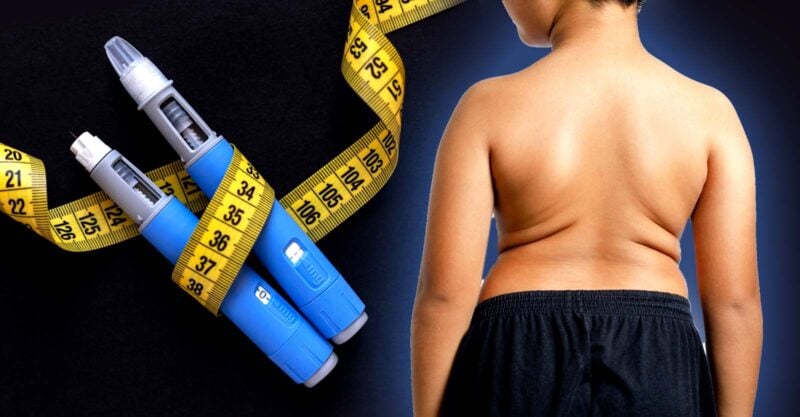


Prescriptions for GLP-1 weight-loss drugs for kids and teens grew substantially after the American Academy of Pediatrics (AAP) in 2023 recommended them for childhood obesity, according to a new study published in the AAP’s flagship journal Pediatrics.
GLP-1 drugs, typically used to treat obesity or diabetes, include the blockbuster drugs Ozempic, Wegovy, Mounjaro and Saxenda. Of those, only Wegovy and Saxenda are approved for children. However, several lesser-known GLP-1 drugs can be prescribed off-label for children.
Researchers with the health data and analytics company Truveta analyzed more than 310,000 health records. They found that prescriptions for GLP-1 drugs for children and teens ages 8-17 increased 65% immediately following AAP’s recommendation and another 5% per month after that, Axios reported.
The researchers found that before the AAP recommendation, the diabetes drug metformin was by far the most prescribed medication for weight loss in kids. However, after the new guidelines, prescriptions for semaglutide — the active ingredient in Wegovy and Ozempic — surged, and prescriptions for metformin dropped.
‘No long-term safety data’
The authors of the study highlighted the lack of safety data on GLP-1 drugs and children.
“Research about the safety profile of newer GLP-1 medications for adolescents is needed to support informed decision making about obesity pharmacotherapy,” they wrote. They said safety concerns are particularly salient “in the era of robust social media discourse and direct-to-consumer advertisement of GLP-1 medications.”
Pediatrician Michelle Perro, author of “What’s Making Our Children Sick?: How Industrial Food Is Causing an Epidemic of Chronic Illness, and What Parents (and Doctors) Can Do About It,” said the surge in prescriptions is concerning for several reasons.
First and foremost, “there is no long-term safety data,” she said. Additionally, this approach relies “on overmedicalization of obesity and dependence on pharmaceuticals rather than addressing the root causes of obesity.”
Children who do lose weight on the drugs often suffer profound muscle loss that does not recover, and rebound weight gain when the drug is stopped, Perro said.
Perro noted that the drug is also prohibitively expensive and will cost taxpayers.
“Medicaid is required to now cover GLP‑1 drugs, including Wegovy and Ozempic, for children under the Early and Periodic Screening, Diagnostic, and Treatment benefit — meaning these expensive medications, averaging around $12,000 per patient annually, are now being funded by taxpayers through state and federal Medicaid programs,” she said.
AAP recommendations increase prescriptions in an exploding drug market
About 20% of U.S. children and adolescents are chronically obese, according to the Centers for Disease Control and Prevention.
The authors said one of the motivations for the study was that when the AAP began recommending weight-loss drugs, people in the clinical and public health communities raised concerns about how the drugs would affect children’s health.
The U.S. Food and Drug Administration (FDA) approved Saxenda to treat obesity in kids 12 and up in December 2020 and Wegovy in December 2022.
Weeks later, in January 2023, the AAP issued new guidelines on childhood obesity, recommending early diagnosis and aggressive treatment.
The AAP recommendations included weight-loss drugs for obese children as young as 8 and consultation for bariatric surgery for children with severe obesity as young as age 13.
The guidelines also recommend nutrition counseling as a first-line treatment, but the study didn’t identify any increase in nutrition counseling or referrals that correlated with the change in guidelines.
At the time, the new guidelines were the AAP’s first update in 15 years.
Market forecast to reach $150 billion per year by 2030
GLP-1 drugs work by making people feel full, so they eat less. The drugs are effective at helping people to lose weight. However, the self-administered weekly injections work only as long as the patient keeps taking them — otherwise, the weight comes back.
Research shows that patients who take the drugs long-term risk exposing themselves to a host of side effects, ranging from vomiting, diarrhea and nausea, to fainting andserious issues like pancreatitis, stomach paralysis and kidney disease.
In clinical trials, 9 in 10 people experienced side effects.
According to one study, Ozempic increases the risk of thyroid cancer by 50-75%.
As Perro noted, there are no long-term studies on the effects of the drugs in adults or children — a problem, experts say, because children will have to take the drugs for a very long time.
One study indicated that the drugs, which may seriously affect children’s growth and development — including bone density and muscle mass — have the potential for abuse and are likely to be overprescribed.
Perro said parents need to be informed of the risks.
Since FDA approved Wegovy in 2021, the drug — and the entire class of drugs — has become a sensation, promoted by influencers and celebrities, helping to fuel a massive new drug market estimated in 2022 to be worth $100 billion a year for drugmakers and set to grow to well over $150 billion per year by 2030.
The Defender is 100% reader-supported. No corporate sponsors. No paywalls. Our writers and editors rely on you to fund stories like this that mainstream media won’t write. 

This article was funded by critical thinkers like you.
Drugmakers are set to target children in that growing market.
Novo Nordisk is also running clinical trials for another GLP-1 drug, liraglutide, in children ages 6-11. In September, the drugmaker reported positive late-stage clinical trial results from its SCALE Kids trial in the New England Journal of Medicine.
Eli Lilly also has ongoing trials of tirzepatide (Zepbound) in children ages 6-11.
The study noted that AAP’s guideline change coincided with the drugs’ tremendous growth in popularity overall, and that could be partly responsible for the rising prescription rates.
The authors also said that although the prescription rates have surged substantially, the overall number of obese children on the drugs remains relatively low.
Perro said the AAP’s recommendations carry a lot of weight with pediatricians. “That institutional weight comes with responsibility, and their rubber stamp is reckless.”
Related articles in The Defender
- Weight-loss Drug Prescriptions for Kids and Teens Soar Despite No Safety Data
- Weight Loss Drugs for Kids: A ‘Minefield of Health and Emotional Problems,’ Researchers Warn
- Drug Makers Now Targeting 6-Year-Olds With Popular Weight-Loss Shots
- Childhood Obesity: Drugs and Surgery Top List of American Academy of Pediatrics New Guidelines