

 Login
Login
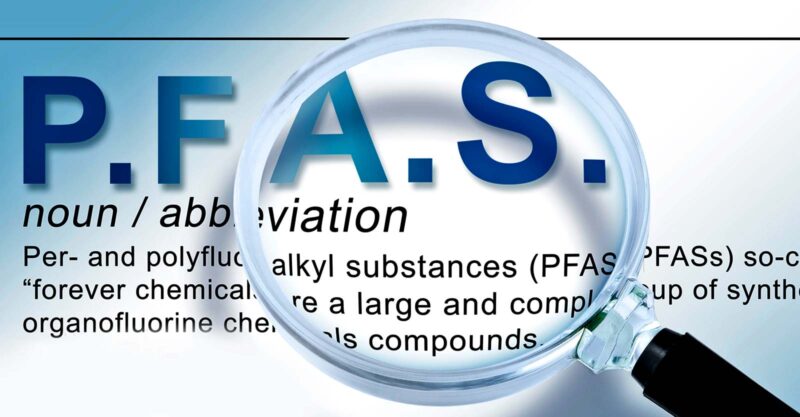


The Trump administration this week unveiled a sweeping new initiative targeting PFAS — so-called “forever chemicals” — placing U.S. Health Secretary Robert F. Kennedy Jr. and U.S. Environmental Protection Agency (EPA) Administrator Lee Zeldin at the center of one of the nation’s most consequential and politically charged environmental health battles.
The announcement included nearly $1 billion in new grant funding for small and underserved communities, proposed revisions to federal drinking water regulations and expanded support for technologies designed to detect, capture and destroy PFAS compounds.
For Kennedy, the moment carries symbolic and political weight.
For decades, Kennedy built much of his environmental reputation litigating toxic contamination cases, including PFAS-linked water contamination disputes in Ohio and West Virginia.
During the joint EPA-HHS event, he framed PFAS exposure as a major driver of chronic disease, stating that more than 95% of Americans may carry PFAS compounds in their blood or drinking water.
He cited links to cancer, immune dysfunction, metabolic disorders, fertility problems, developmental harm, diabetes and liver toxicity.
Tougher enforcement — or strategic regulatory delay?
The administration insists the initiative strengthens protections rather than weakens them.
EPA officials announced they will preserve strict federal standards for PFOA (perfluorooctanoic acid) and PFOS (perfluorooctane sulfonate) — the two most heavily studied PFAS compounds — while proposing a limited compliance extension through 2031 for qualifying water systems unable to meet current timelines.
Officials argue that many smaller municipalities lack the financial resources, infrastructure or treatment capacity to comply immediately.
At the same time, EPA plans to rescind and restart regulations covering four additional PFAS compounds, arguing the Biden administration rushed portions of the rulemaking process and created procedural vulnerabilities that could collapse under judicial review.
Kennedy defended the move aggressively, arguing the prior framework was legally unstable and risked years of litigation-induced paralysis.
Critics, however, see substantial risk in reopening the regulatory process.
Environmental organizations and some public health advocates warn that restarting portions of the rulemaking could delay urgently needed protections while communities remain exposed to contaminated water supplies.
Others fear the administration’s emphasis on procedural durability could ultimately slow enforcement momentum during a period of rising public concern.


The MAHA movement meets industrial reality
The event also showcased emerging PFAS treatment and destruction technologies from private-sector companies claiming near-total elimination of PFAS compounds at an industrial scale.
Several firms emphasized “destruction” technologies rather than simply transferring contaminants from water into waste streams for later disposal.
That distinction matters scientifically, economically and politically.
PFAS contamination has evolved into one of the defining environmental health crises of modern industrial society. Yet many proposed solutions remain early-stage, expensive, energy-intensive or difficult to deploy nationally at scale.
Critics across the political spectrum argue Washington has historically favored headline announcements over comprehensive chemical reform and long-term accountability.
The deeper question now confronting Kennedy’s “Make America Healthy Again” or MAHA movement is whether it can translate environmental populism into durable regulatory enforcement — even when confronting powerful industrial and economic interests.
For supporters, this announcement signals Kennedy is honoring long-standing promises to confront chronic toxic exposures often neglected by prior administrations.
For skeptics, the real test will not be speeches, pilot projects or funding headlines. It will be whether contamination measurably declines, enforcement survives inevitable litigation and communities experience tangible health improvements rather than another cycle of regulatory theater and bureaucratic delay.
Originally published by TrialSite News.
