Login


By Natasha Gilbert
People living near factory farms are more likely to have drug-resistant bacteria in their homes, raising their risk of resistant infections, according to new research.
While antibiotics and other drugs are essential for treating infections in farm animals, poor welfare and unhealthy living conditions can increase transmission and drive overuse.
In 2024, antibiotic drug use in meat production rose 16%. Excessive use of these drugs encourages drug resistance, putting animals and nearby residents at risk.
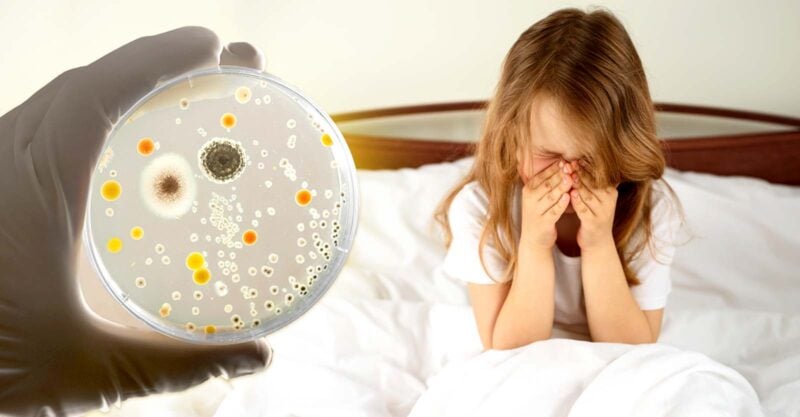
In a first-of-its-kind study, researchers collected dust from inside the homes of crop and livestock farmers near factory farms in Iowa and used sequencing to identify antimicrobial-resistant genes in the microbial community within the dust.
Previous studies looked for pathogens resistant to drugs, such as strains of E. coli, and found they can spread from animal feeding operations to the surrounding environment, including water and soil and may even contaminate crops, leading to food poisoning.
This new study looked at drug-resistant genes, giving a more complete picture of what people are exposed to, Meghan Davis, an associate professor of environmental health and engineering at Johns Hopkins Bloomberg School of Public Health, told Sentient.
The researchers found that 26% of all samples had at least one antimicrobial-resistant gene, and 17% of samples had multiple resistant genes. The researchers also discovered that the more factory farms near a home, the more likely resistant genes are present.
While the researchers can’t trace the genes back to specific surrounding farms, they did find that there were more genes where there were more farms, and the types of genes in the dust are the same type as those found in nearby factory farms.
The genes were mostly resistant to tetracyclines and macrolides, classes of antibiotics widely used in both animal agriculture and human medicine, Kathryn Dalton told Sentient. Dalton is an assistant professor at the University of Iowa College of Public Health and lead researcher of the study.


People spend a lot of time at home where they are exposed to resistant genes for long periods, increasing their chance of infection, said Dalton.
And it’s not just the farmers who are at risk. Their families and other household members are also exposed, says Dalton. All members of rural communities who live close to animal feeding operations are potentially at risk, she added.
“That we are seeing these genes inside people’s homes definitely means that they have a higher risk of getting infections,” Dalton said.
The findings are an important step in showing that using antimicrobials on factory farms affects the health of surrounding rural communities, Andrew deCoriolis told Sentient. deCoriolis is the executive director of Farm Forward, a group campaigning to end factory farming, and was not involved in the study.
“This is an example of where the crisis touches on the ground, threatening the ability of human medicine to treat resistant infections,” said deCoriolis.
Dalton explained that microbes, including those that have developed drug resistance on farms, for example, can enter people’s homes through air or water. People also carry microbes inside on their shoes and clothes. She added that resistant genes can pass to other microbes in the home, further increasing the risk of infection to residents.
People can get infections from drug-resistant pathogens the same ways they would other infections, like touching their face. Dalton recommends that residents take off their shoes before entering their homes and wash their hands to reduce their risk of infection.
The team is planning another study to look at infections. Dalton and her team will examine infection rates in communities near animal feeding operations to see if people with antimicrobial-resistant genes in their homes actually develop more resistant infections.
Dalton said her views are her own and don’t represent those of the University of Iowa or the National Institutes of Health, which helped fund the study.
deCoriolis said “the FDA [U.S. Food and Drug Administration] has both the regulatory authority and mountains of evidence to meaningfully regulate the use of antibiotics on farms, and they don’t because the meat industry doesn’t want them to.”
He said voluntary measures to encourage farmers to cut antimicrobial use initially helped. For example, in 2017 the FDA effectively phased out antimicrobials used to boost growth in livestock, which led to drops in sales. But recent data shows that sales of antibiotics for livestock are rising again.
The FDA doesn’t collect data on antimicrobial usage, so sales data is used as a rough estimate.
“I think it’s clear that the industry is not going to reduce antibiotic use without being regulated,” he said.
Davis calls for the animal agriculture industry to limit the use of antibiotics to only those medically necessary, as well as adopting better animal husbandry and welfare standards. Restrictions on use must be feasible for farmers to implement, she said.
“If it’s not feasible, nothing will get done,” said Davis.
Originally published by Sentient Media.
Natasha Gilbert is a freelance journalist reporting on the environment, science and health.