

 Login
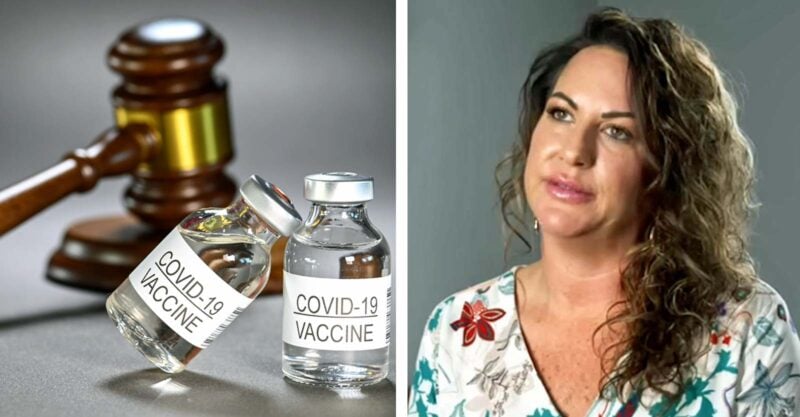


The U.S. Court of Appeals for the 5th Circuit has affirmed dismissal of Brook Jackson’s False Claims Act lawsuit concerning Pfizer’s COVID-19 vaccine trials.
Judge Don Willett ruled that the U.S. Department of Justice could intervene and terminate the litigation, while Jackson’s retaliation claim against Ventavia failed statutory pleading requirements.
The ruling ends this stage of litigation without a scientific determination of whether the alleged trial violations occurred. It neither vindicates Jackson’s fraud accusations nor establishes that every trial procedure was properly followed.
TrialSite’s investigation: A serious case?
TrialSite News has investigated Jackson’s allegations since 2022, examining concerns about patient consent, trial blinding, data integrity and adverse-event reporting.
Following a review of litigation materials, TrialSite founder Daniel O’Connor assessed Jackson as having a serious case deserving substantive scrutiny. That assessment reflects an editorial judgment, not a judicial finding. The precise historical wording of O’Connor’s statement remains unverified.
TrialSite’s earlier reporting documented the dispute over Pfizer’s federal procurement arrangements and subsequent efforts to revive Jackson’s litigation.


The court: Suspicious timing, insufficient pleadings
Jackson was terminated the day she contacted the U.S. Food and Drug Administration. The 5th Circuit acknowledged the suspicious timing but concluded that her pleadings failed to establish protected activity involving suspected government fraud or Ventavia’s knowledge of such activity.
Crucially, the appellate court did not independently determine whether Pfizer’s underlying clinical data were scientifically reliable.
Trump, Kennedy and the unanswered questions
The political context has changed substantially. Donald Trump returned to the White House, while Robert F. Kennedy Jr. assumed leadership of the U.S. Department of Health and Human Services following years of challenging aspects of federal vaccine policy.
Yet the Jackson litigation illustrates the distinction between political promises of transparency and documented institutional accountability.
TrialSite could not verify a new, independent federal scientific reassessment of Jackson’s allegations under the current administration. Nor does the court’s ruling demonstrate that such a review occurred.
The government’s position was that the fraud claims lacked merit and further litigation would impose substantial burdens. That legal position deserves accurate reporting, not automatic acceptance as a scientific conclusion.
TrialSite insight: Where is the evidence?
Jackson’s allegations remain unproven in court. But dismissing a fraud lawsuit does not substitute for an independent, clinical-quality investigation.
The relevant questions are straightforward: Which protocol deviations were verified? Were corrective actions sufficient? Did any deficiencies materially affect participant safety or trial conclusions?
Neither political allegiance nor courtroom procedure can answer those scientific questions. Only evidence can.
Originally published by TrialSite News.
