
The Defender Children’s Health Defense News and Views
Close menu
Close menu

You must be a CHD Insider to save this article Sign Up

Already an Insider? Log in

November 30, 2020 Big Energy Views

Big Energy

Big Energy’s Plan to Save Itself? Plastics.

Massive projects that aim to turn fracked gas into plastics — like those on the books for Western Pennsylvania and Louisiana’s “Cancer Alley” Chemical Corridor — may keep the oil and gas industry alive a little longer, but at what cost?

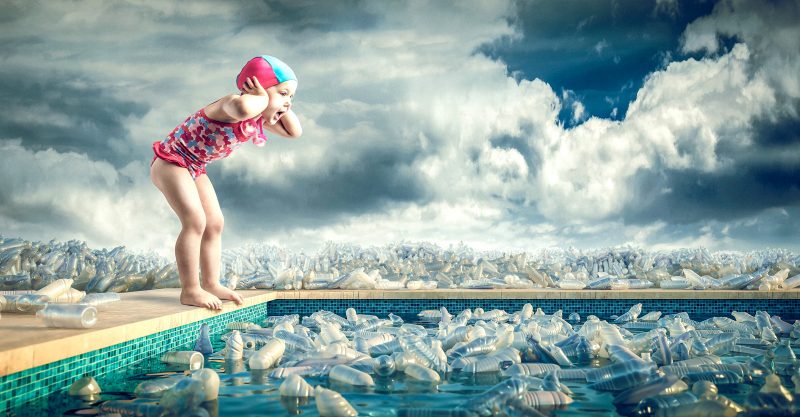
We’re building an enormous plastics problem.

You may remember that in 2018 some prominent scientists gave us a 12-year deadline to fix climate change. I’m more certain of this bit of environmental punditry than I’ve been about anything in my life: In the year 2030, American policymakers will have finally caught up to the notion that climate change is every bit the existential crisis that many of us already know it to be.

But I fear a decade on we’ll still be nowhere close to caught up to the notion that we’re building an enormous plastics crisis.

Sharp reporters, including our own Kristina Marusic, are on to the oil and gas industry’s efforts to prolong its own life. Massive projects aiming to turn fracked gas into plastics are on the books for Western Pennsylvania and Louisiana’s “Cancer Alley” Chemical Corridor.

Shell Chemical’s $6 billion plastic pellets plant in Beaver County, Pennsylvania, will guarantee jobs for decades in the hard-hit region. It will also guarantee a whopping increase in carbon emissions and a lifeline for the oil and gas industry, while providing a primary source of plastic.

In St. James Parish, Louisiana, local activists continue a pitched battle against a $9.4 billion Formosa Plastics plant along the Mississippi. Both promise to extend the lives of oil, gas, and plastic, despite compelling environmental arguments that all three should be fading out.

Published with permission from Environmental Health News.

Suggest A Correction

Share Options

Close menu

Republish Article

Please use the HTML above to republish this article. It is pre-formatted to follow our republication guidelines. Among other things, these require that the article not be edited; that the author’s byline is included; and that The Defender is clearly credited as the original source.

Please visit our full guidelines for more information. By republishing this article, you agree to these terms.

Woman drinking coffee looking at phone

Join hundreds of thousands of subscribers who rely on The Defender for their daily dose of critical analysis and accurate, nonpartisan reporting on Big Pharma, Big Food, Big Chemical, Big Energy, and Big Tech and
their impact on children’s health and the environment.

  • This field is for validation purposes and should be left unchanged.
  • This field is hidden when viewing the form
  • This field is hidden when viewing the form
    MM slash DD slash YYYY
  • This field is hidden when viewing the form