Login
Login


By Lydia Larsen
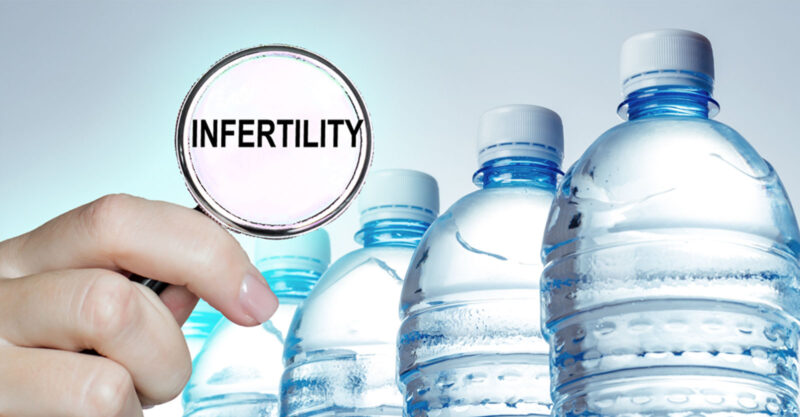
Using a new testing tool, U.S. researchers said this week they have found more than 50 chemicals that pose a strong risk to fertility, including chemicals used in plastic water bottles and other common products.
The study, published Monday in Reproductive Toxicology, detailed a newly developed method for testing chemical toxicity, a tool the researchers said is badly needed because tens of thousands of chemicals used in household and commercial products have not been evaluated for their potential toxicities toward human health.
“This data shows that we need to be acting more quickly on some of these chemicals to which people are being exposed,” said Tracey Woodruff, a professor at the University of California San Francisco, and an author of the new study.
General fertility rates in the U.S. have been declining, hitting a historic low in 2022, according to the Centers for Disease Control and Prevention.
Researchers have known that certain types of chemicals are at least partly to blame for the declining fertility, but understanding the root causes of the problem has been difficult.
In the new study, the authors said they evaluated 199 chemicals, including bisphenols, phthalates, pesticides, per- and polyfluoroalkyl substances (PFAS), and other compounds.
They found 57 strongly negatively impacted the reproductive system and also found evidence that many new bisphenol A (BPA) substitutes, which are used in plastic water bottles and other plastic products, are actually more toxic than the original BPA and that when certain BPA and BPA-type chemicals were combined, reproductive outcomes worsened.


“One of the reasons it is so challenging to determine reproductive toxicity is that the adverse effects that take place in female fetuses in utero are not observed until adulthood,” senior author Jennifer Fung, a professor of reproductive sciences at the University of California San Francisco, said in a press release.
Assessing the reproductive toxicity of chemicals is difficult and expensive in animal models, so researchers turned to a species of yeast commonly used to study the development of reproductive cells.
Upon adding the chemicals to yeast cultures, researchers assessed the effect each chemical had on the development of gametes.
Of the 57 chemicals that researchers found to negatively impact reproduction, compounds that are present in dying and printing textiles and disinfectant cleaning supplies had some of the highest toxicities.
Woodruff said prior research has shown that certain compounds widely used in cleaning products are toxic, but she was surprised by how potent those compounds actually appear to be when tested using the new methodology.
“This really needs a focus by governments to look at these more closely and make sure that people are not being exposed to harmful levels,” Woodruff said.
Originally published by The New Lede.
Lydia Larsen is a science and climate journalist based in Madison, Wisconsin. She covers biology and climate science, Midwest environmental issues and environmental justice.