 Login
Login
Is it Possible to Protect Your Child from Chronic Illness?





Children endure many infectious illnesses during the early developmental years of their lives. Almost all of these will be categorized as ‘acute’ disease, defined as any health issue that generally begins quickly and is of short duration like the flu, a cold, or an ear infection. Acute illness is generally common and in most cases, resolved within a short period of time with proper intervention.
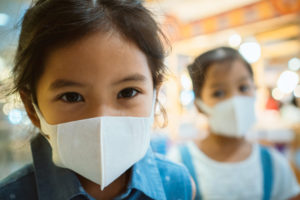
Prior to advancements in medical treatment and improvements in hygiene and sanitation, illness due to acute infectious disease was a serious threat to the lives of young children. In 1900, pneumonia, influenza, tuberculosis, and diarrhea were leading causes of death in the United States. Forty percent of those deaths happened in children under five years old.
Today, however, our kids are facing a new threat to their health as chronic illness is affecting more and more young Americans.
What is chronic illness?
 Chronic illness is described as any health issue that lasts for more than three months, negatively affects an individual’s life may involve frequent hospitalizations, or requires home care. From eczema and asthma, to cancer and diabetes, chronic illness is a broad category encompassing many clinical disease diagnoses.
Generally speaking, chronic illnesses have a prolonged duration, don’t resolve spontaneously, and are rarely fully cured. When it happens to a child, it can be devastating, both for the child and the entire family.
Why one child and not another?

Sometimes, an acute infection can develop into a chronic illness. For example, many autoimmune disorders have been linked to viral infections. This, however, cannot explain the increase in all autoimmune diseases, since viral infections have been circulating through our population for thousands of years. Genetic predisposition may play a role in chronic illness, but, why then, does one child who has this innate susceptibility develop a lasting health condition, when another child with similar genes does not?
Physicians are trained to look at family history for genetic causation of chronic disease leaving parents to believe that there is nothing they can do to prevent certain illnesses. However, research has shown that many children suffering from chronic illness do not have a family history of the disease.
Environment and Vulnerability
Environmental stressors of the immune system include nutritional deficiencies, emotional stress, lack of sleep, exposure to radiation, and a wide range of chemicals that children ingest or inhale throughout their daily lives
The delicate balance of the immune system necessary to keep a child in good health can easily be disrupted by any of these negative environmental influences. The more stressors the immune system attempts to deal with, the more likely it is to become unstable, leaving room for infections to spread, cell mutations to occur, or for the immune system to remain in gear longer than needed, causing lasting autoimmunity.
Social Determinants of Health
 The World Health Organization defines “social determinants of health” (SDH) as the conditions in which people are born, work, live, and age, and the wider set of forces and systems shaping the conditions of daily life.” Studies show that health outcomes are directly correlated with these social determinants. For children, these social determinants can influence the trajectory of development, and have significant impact on their overall health and well-being. Factors can include lack of access to health care, food scarcity, access to clean water, poor air quality, exposure to violence and crime, living with chronic stress, and many others.
Childhood poverty is a strong determinant of health placing children living in low-income families at greater risk for chronic conditions. One theory explaining the detrimental effects of poverty on health is chronic stress. Studies have shown that the stress hormone cortisol, is higher in infants from low-income families. Chronic stress and high cortisol have been found to contribute to poorer cognitive development, neurobiological changes, and metabolic syndromes including abdominal obesity and risk factors for diabetes and cardiovascular disease.
The increased prevalence of asthma, attention-deficit/hyperactivity and autism spectrum disorder has risen on the same trajectory as overall chronic health conditions and, according to researchers, children with these disorders who are living in poverty, more frequently have comorbid chronic medical and psychiatric conditions.
While circumstances for children living in poverty may be difficult for parents to change, policies to support children and families in poverty should be considered to adequately address the complex medical needs of these vulnerable children.
Environmental causation of disease
The World Health Organization (WHO) has cautioned that “chronic, noncommunicable disease is rapidly becoming an epidemic.” The same organization has stated that about a quarter of deaths worldwide are caused by environmental factors that could be avoided. Unfortunately, parents cannot protect children from all deleterious environmental effects, especially for those children living in the United States. While Europe banned about 700 toxins between 2000 and 2010, the US still allows many chemicals to be sold and used in this country.
 The world is full of chemicals and many of those are unregulated. It is impossible to know all the combinations of chemicals in homes, schools or playgrounds, nor can a parent always limit exposures to chemicals and additives in foods. Exposure to radiation from cell phones and WiFi is pervasive throughout most public places, making it nearly impossible to avoid. While it seems the deck is stacked against us , there are some things a parent can be aware of to help protect their child from becoming chronically ill.
It all comes down to the immune system
 The immune system is made up of a complex group of pathways that interact with one another, using micronutrients, hormones, and even gut bacteria, to maintain a delicate balance between health and sickness. Children are exposed to numerous pathogens every day. On average, infants puts their hands or other objects in their mouths about 100 times an hour. When the immune system is functioning well, the child will be able to fight off these pathogens on her own.
Sometimes, however, the immune system can fail to activate properly, leaving the child open to more serious diseases like cancer or multi-drug resistant organisms (MDROs). Other times, the immune system can become overactive, and does not shut off when it should. This leads to autoimmune disorders that cause a child’s immune system to continually attack its own healthy cells. Either of these immune system errors can lead to the development of a chronic illness that has the potential to cause life-long health issues
What causes the immune system to fall short?
 Genetics may play a role in predisposing a child to poor health, but the environment’s effect on the immune system plays a significant role in gene expression. Twin studies have shown that genetic influence on chronic disease was responsible for as low as 16.4% of the top two global killers-heart disease and cancer. The same study determined that the ‘bad luck’ theory – that cancer is random and cannot be influenced by either genetics or environment – was “illogical,” concluding that environmental influences are more strongly correlated with the development of chronic disease than other studied factors.
Whether a child recovers from acute illness without lasting health issues or succumbs to chronic diseases such as cancer or autoimmunity depends on many different environmental stressors our children encounter every day.
What can be done to prevent chronic illness?
In most children, the immune system should self-regulate, allowing the body to recover from acute illness with no long-term damage. The question is: how do you keep a child’s immune system healthy and in balance?
The following may be the most important factors in doing just that:
 Nutrition: Few children eat all necessary daily requirements of vitamins and minerals required to keep them healthy. While The Dietary Guidelines for Americans 2015-2020 opines that it is possible for a child to ingest all macro and micronutrients necessary to maintain optimal health, it would take stringent, accurate, and precise monitoring of a child’s diet to truly reach that goal. Depending on the child, supplementation might be warranted to keep the immune system on track. For example, a child who spends most daylight hours indoors, may need a vitamin D supplement. For kids who simply refuse to eat fruits and veggies, some extra vitamin C or vitamin A may be necessary.
Regulatory agencies and well-respected organizations agree. The American Academy of Pediatrics has determined that breastfed babies should receive Vitamin D supplements, as well as some children genetically predisposed to poor absorption of nutrients due to mutations in their DNA or mitochondria and may need different micronutrients. According to the Micronutrient Initiative, roughly 670,000 children die every year world-wide due to a simple Vitamin A deficiency. Each child should be evaluated independently and supplemented based on their individual needs. Maintaining proper nutrition is essential to preserving a well-functioning immune system.
 Sleep: One of the most important factors influencing a child’s immune health is sleep. A trend was discovered that less total sleep time in a six-day window precipitated illness. Research also showed that less sleep increases susceptibility to catching a cold. Total and partial sleep deprivation have been shown to negatively affect the immune system. Even vaccination outcomes were affected by the amount of sleep a person had before and after immunization. Lack of sleep affects many endocrine, metabolic, and neurologic functions, which has led some organizations to call for later school start times. It’s important to remember that sleep is the body’s recovery time. Without adequate rest, immune function cannot perform at its peak ability.
 Environmental toxins: In today’s world, harmful toxins cannot be completely avoided, however, there are some precautions that can be taken to help reduce exposures.
- Reducing the amount of ‘screen time’ on wireless devices can help reduce non-ionizing radiation that can potentially damage cells and DNA.
- Genetically modified foods exposed to glyphosate and other pesticides should be avoided, especially now that glyphosate is associated with non-Hodgkin’s lymphoma and many other chronic illnesses.
- Keeping an organic diet, if possible, and avoiding foods sweetened with high fructose corn syrup, is recommended by most healthcare practitioners.
- Bisphenol A (BPA), a chemical commonly found in plastic, can cause a multitude of health problems, specifically for infants using plastic baby bottles. The best practice is to use glass bottles and containers and avoid plastic packaging and processed food when possible.
While we rely on the Food and Drug Administration (FDA) and the Environmental Protection Agency (EPA) to set safe limits for the food we eat and the products we use, there are no studies to show synergistic effects, or safe limits of, combinations of these carcinogenic or endocrine disrupting chemicals. Given the underlying scientific uncertainty of the real health effects of combined and chronic exposures, limiting these exposures, especially in vulnerable populations is the safest bet.
Be aware, be info rmed, and be proactive
Every child is different. Our genes say so. When it comes to chronic illness, environmental exposures could make the difference between the “bad” genes that get turned on and those that don’t. Every child has a unique set of vulnerabilities that may increase risks of acquiring a chronic illness. Both parents and medical professionals alike should consider these vulnerabilities, genetic and environmental, as well as individualize their child’s daily routines to optimize the immune system.
It is imperative to consult with a physician or other experienced health practitioner when making decisions regarding children’s health, but parents should do their own research and understand their children’s vulnerabilities. While not all chronic disease can be prevented, It is possible to take steps to protect your child from becoming one of the millions of American children who suffer with chronic disease.
Original article published with permission from Focus for Health.
Sign up for free news and updates from Children’s Health Defense. CHD focuses on legal strategies to defend the health of our children and obtain justice for those injured. We can't do it without your support.