
 Login
Login
The Dangers of Biometrics: Beyond Fingerprints and Facial Recognition
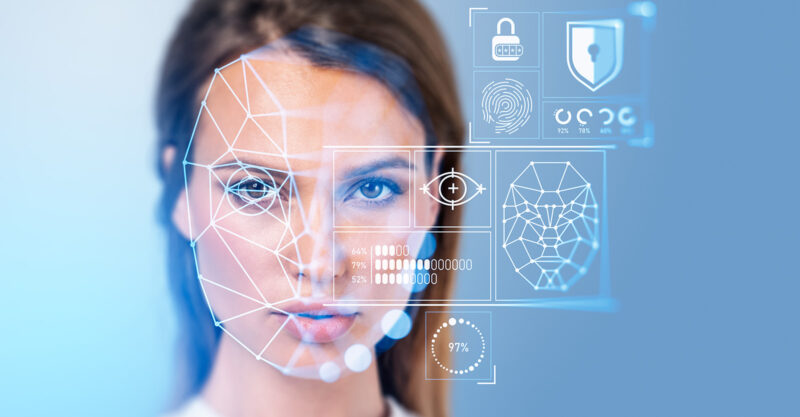




Biometrics, the science of identifying individuals based on their unique physical and behavioral characteristics, has a rich history. However, it wasn’t until the late 19th century that Sir Francis Galton established the scientific basis for fingerprint identification.
Over the years, biometrics has evolved from manual methods to sophisticated electronic systems. In the 1960s, the FBI began using computers to store and match fingerprints. The 1970s saw the development of voice recognition systems, and the 1980s brought iris recognition technology. The advent of digital cameras in the 1990s paved the way for facial recognition systems.
However, the widespread use of biometrics also raises significant privacy concerns. Unlike passwords or other credentials, biometric data such as DNA is immutable—you can’t change it once it’s compromised. This permanence fuels fears about the security of biometric databases. It is a growing concern, as they present attractive targets for threat actors seeking to gain access to sensitive personal data.
Sign up for free news and updates from Children’s Health Defense. CHD focuses on legal strategies to defend the health of our children and obtain justice for those injured. We can't do it without your support.