Login
Login



By Chimnonso Onyekwelu with Melissa Smith
It’s an uncomfortable truth few parents or doctors like to talk about — yet it’s becoming impossible to ignore.
Data from the U.K.’s National Health Service (NHS) reveals that nearly 45,000 children were hospitalized for constipation in 2024, marking a staggering 70% increase over the past decade.
What was once seen as a minor childhood complaint has quietly grown into a major public health concern.
Constipation is now one of the most common, yet underestimated, conditions affecting children around the world. In the U.K., it accounts for about 3% of all general practitioner visits, while in the U.S., that figure climbs to 5%.
Among pediatric gastroenterologist referrals, constipation represents as much as one in four cases in both countries. Despite these alarming numbers, the true global burden remains unclear — largely because of limited and inconsistent reporting across regions.
At the heart of this problem is functional constipation (FC), by far the most common type. FC describes chronic constipation that has no identifiable medical cause yet profoundly affects a child’s life.
It’s typically marked by infrequent, hard or painful bowel movements and its persistence can take a toll not just on a child’s physical comfort, but also their emotional and psychological well-being.
So, what’s driving this surge? Research (here and here) points to a combination of reduced physical activity, diets dominated by ultraprocessed foods, low fiber intake and early or frequent antibiotic use.
Together, these factors disrupt the delicate gut microbiome — the community of bacteria that keeps digestion running smoothly — leading to sluggish bowels and increasing discomfort.
For decades, the standard medical response has been simple: prescribe laxatives. Many children remain on them for months or even years, often with little exploration into why they became constipated in the first place.
While such treatments can bring temporary relief, they rarely address the root cause, leaving many children trapped in a cycle of recurring symptoms.
Worryingly, new studies (here and here) suggest that FC often persists into adulthood, highlighting the urgent need for more effective, long-term solutions.
Symptoms and root causes of constipation in children
Constipation manifests differently in each child, but the symptoms often follow a similar pattern.
According to the Rome III guidelines, a child is considered to have constipation if two or more of the following happen:
- They soil themselves at least once a week.
- They only poop (defecate) twice a week or less.
- They often have painful or hard stools that are difficult to pass.
- Stool retention — they try to hold their poop in instead of going to the toilet.
- Their stools are so large that they can block the toilet.
- A large amount of stool can be felt in their bottom during an examination.
In some cases, constipation stems from underlying medical conditions such as Hirschsprung’s disease, congenital abnormalities, hypothyroidism, cerebral palsy or spinal cord injuries, all of which can disrupt normal bowel function.
However, in most cases, particularly those classified as FC, have no identifiable medical cause and are instead linked to a combination of dietary, behavioral and environmental factors.
One of the most common drivers of FC in children is poor diet, particularly diets low in fiber, high in ultraprocessed foods and sugar substitutes. Fiber plays a crucial role in stimulating bowel movement and supporting a healthy gut microbiome.
Studies (here and here) show that children with constipation tend to consume fewer fruits, vegetables and whole grains than their peers.
Another observational study noted an association between FC and high intake of refined carbohydrates, sugary snacks and processed “kids’ foods.” Not drinking enough compounds the problem, making stools harder and more difficult to pass.
The widespread use of antibiotics, especially in early life, also disrupts gut flora, reducing microbial diversity and weakening the gut’s natural rhythm of motility. Together, these factors alter the gut ecosystem, setting the stage for chronic constipation.
Beyond diet, lifestyle and emotional well-being play a powerful role. Reduced physical activity — common among school-aged children who spend long hours sitting in classrooms or on screens — reduces bowel stimulation.
Psychological stress is another significant yet often overlooked factor. A study from Sri Lanka reported that children exposed to physical, sexual and emotional abuse were all predisposed to developing FC.
Similarly, stressful experiences such as bullying, separation from a best friend or academic pressure can alter the brain-gut connection, slowing intestinal movement, leading to a vicious cycle of constipation coupled with anxiety that feeds itself.
Studies (here and here) have even linked FC to poor or inconsistent toilet training. Children who feel embarrassed or fearful about using school toilets may also develop stool-withholding behaviours, worsening constipation over time.
Likewise, family-related stressors such as divorce or separation of parents, loss of a parent’s job or sickness in the family can all contribute to a child’s FC.
For instance, a study showed that 100% of children with constipation were observed to have suffered trauma or abuse arising from aggressive parenting style, punishment or over-protectiveness.
These overlapping biological, emotional and environmental factors show that constipation in children is rarely “just physical” — it reflects a deeper imbalance in the child’s overall health and well-being.
The hidden risks: Impact of chronic constipation in childhood
While chronic constipation is not a benign condition, it can have far-reaching effects on a child’s health and well-being. Research (here and here) shows that children living with FC often face challenges that go far beyond bowel discomfort.
Many experience persistent abdominal pain, disturbed sleep, and emotional distress, while others experience bladder issues like urinary incontinence and urinary tract infections.
FC is also closely linked to attention-deficit/hyperactivity disorder (ADHD), with evidence suggesting that dietary changes can have a positive impact on symptoms.
Likewise, a 2018 study showed that more than 58% of obese children also suffer from FC, with obesity increasing their risk of developing FC fourfold. Some children even experience slowed growth or stunting due to prolonged constipation.
These problems are not just physical; they creep into a child’s confidence, mood and overall sense of comfort in their body.
Beyond the physical effects, the social and emotional impact of chronic constipation can be profound. Research (here and here) shows that children with FC have a poorer quality of life, often struggling with anxiety, isolation and low self-esteem. It also takes a toll on their academic life, with reports showing that 62.5% of affected children fail to perform well in school.
For many, the problem doesn’t stop in childhood; up to a third continue to experience symptoms into adolescence and even adulthood. These patterns show that untreated constipation is not just an inconvenience; it’s a long-term health issue that quietly reshapes the course of childhood and beyond.
Restoring balance: Natural ways to prevent and manage constipation in children
FC can be deeply uncomfortable for both children and their caregivers, often disrupting daily routines and emotional well-being. It is therefore crucial that it is not only detected early but also managed promptly.
Traditionally, doctors have relied on laxatives as the primary treatment for FC. While these can be helpful in the short-term, long-term improvement is most often achieved through simple, consistent lifestyle measures, including dietary adjustments, regular physical activity and a steady toilet routine that helps the child regain confidence and bowel regularity.
Research (here and here) has shown that one of the most effective and enduring approaches to treating FC lies in dietary modification.
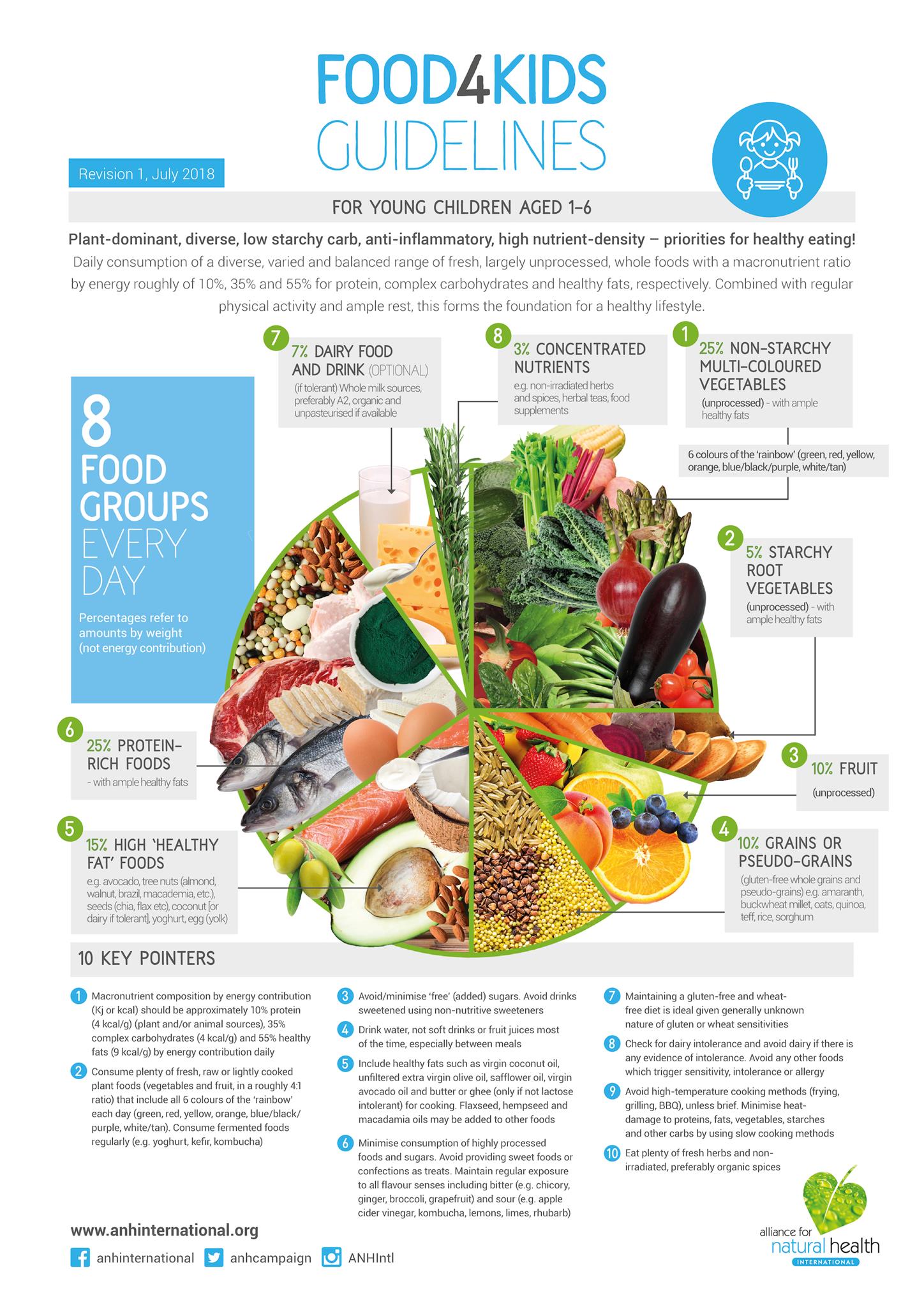
Children should be encouraged to consume foods rich in fiber such as fruits, vegetables, legumes, beans and whole grains (preferably gluten-free), along with sufficient hydration, as this supports the formation of soft, easily passable stools.
Not only do healthy levels of fiber benefit us, but they also provide an essential food source for our gut bacteria, which in turn keeps our gut healthy.
Current recommendations suggest that children ages 2-16 should consume between 10-25 grams of fiber per day. This is supported by case-control studies, which show that children with low fiber intake are four times more likely to develop constipation, stressing how diet shapes digestive health.
Beyond diet, prevention and long-term management depend on balanced routines and emotional support.
Parents and guardians of children with FC should be educated on how to encourage children to take their time when going to the toilet, as well as teaching proper toilet routines and postures (an appropriate footstool to put their feet on can help), as these can help develop healthier bowel habits.
Studies (here and here) also suggest that probiotics may enhance gut health and reduce constipation recurrence by improving intestinal function and communication along the brain-gut axis.
Additionally, often overlooked triggers like stress, anxiety and fear of having a painful bowel movement should be addressed early through reassurance and parent-child connection.
Treatment of constipation, therefore, is not only about the digestive system; it’s about nurturing the whole child — body, mind and environment — to restore balance from within.
Why tackling FC matters
Childhood constipation is far more than a passing discomfort; it is a growing public health concern that quietly disrupts a child’s confidence, learning and overall health and well-being.
Early identification and intervention are crucial, not only to prevent long-term physical complications but also to protect children from the emotional distress that often accompanies the condition.
Too often, constipation is dismissed or managed with a quick prescription, overlooking the deeper factors — stress, diet and disrupted routines — that keep the cycle going. By recognising the signs early and addressing them holistically, we can prevent many children from carrying this burden into adolescence and adulthood.
Functional constipation calls for more empathy and awareness, both at home and within healthcare systems. Supporting children means going beyond laxatives to restore balance in their daily lives, incorporating healthy eating habits to increase fiber, nurturing emotional security and rebuilding healthy lifestyle habits.
Every child deserves to feel comfortable and confident in their own body, and that begins with paying attention to what their bodies are telling us and them.
Originally published by Alliance for Natural Health International.
Chimnonso Onyekwelu is a legal researcher at Alliance for Natural Health International.
Melissa Smith is an outreach and communication officer at Alliance for Natural Health International.