Login
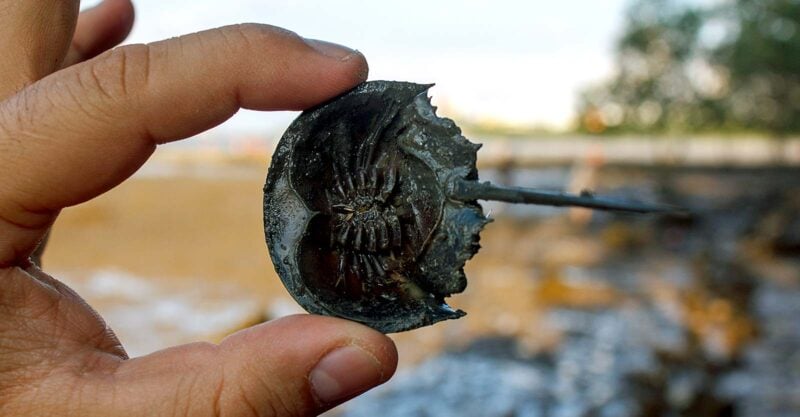


The Center for Biological Diversity sued the Massachusetts Division of Marine Fisheries, Nov. 10, under the state’s public records law for failing to release information detailing how thousands of horseshoe crabs are killed, bled or injured every year by pharmaceutical companies and fishermen.
Horseshoe crabs are threatened with extinction, but because Massachusetts hides the biological data used to decide how many crabs can actually be harmed or killed, the center and other parties can’t meaningfully participate in protecting the imperiled animals.
“Horseshoe crabs are incredible animals that shouldn’t be killed and injured, especially not at such high levels and in secret,” said William Snape, an attorney representing the center.
“These are some of the world’s heartiest creatures, but we’re letting corporations carelessly and brutally wipe them out. Massachusetts officials need to open the books and let the public see how many horseshoe crabs are being killed in the state.”
The Nov. 10 lawsuit was filed in the Superior Court Department of Suffolk.
Biomedical companies harvest horseshoe crabs and drain their blue blood, which is used to detect toxins in drugs and medical devices.
Horseshoe crab blood harvests have virtually doubled since 2017, with more than 1 million horseshoe crabs harvested for their blood every year in the U.S.
Synthetic alternatives to horseshoe crab blood tests are already being used in Europe, but companies in the U.S. have been slow to adopt the alternatives.


“It’s impossible to meaningfully save wildlife without having complete data made publicly available,” said Snape. “The Division of Marine Fisheries is severely harming Massachusetts’ horseshoe crabs by shielding corporate interests from accountability.”
Horseshoe crabs are brown, body-armored arthropods with 10 eyes and a long, spiked tail. Despite their intimidating appearance, they are completely harmless to humans.
Each spring along the Atlantic coast, horseshoe crabs lay their eggs in massive beach spawning events.
Nearly twice as old as the dinosaurs, horseshoe crabs have been crawling ashore for more than 450 million years. In the past decades, however, horseshoe crab populations have declined steeply in all states, including Massachusetts.
The center has petitioned the U.S. Fish and Wildlife Service to protect horseshoe crabs under the federal Endangered Species Act and is now suing the Trump administration for refusing to act on behalf of the animals. The center has won victories in Maryland, Virginia and Georgia on the legal issues now before the Commonwealth of Massachusetts.
Originally published by the Center for Biological Diversity.