Login
Login
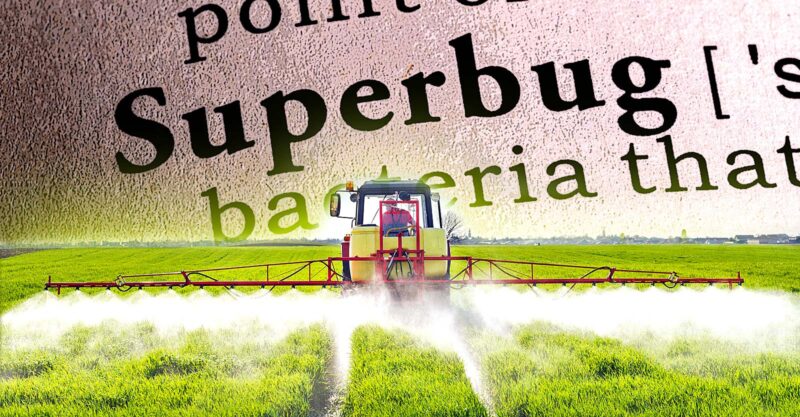


Conservation, farmworker and public health groups filed a legal petition on Monday urging the U.S. Environmental Protection Agency (EPA) to ban the use of pesticides that can promote resistance to medically important antibiotics and antifungals.
The overuse of antibiotics, which are essential to treating human disease, as pesticides on fruit and vegetable crops threatens public health because it can lead to “superbugs,” bacteria that have developed resistance to antibiotics.
Similar overuse of antifungal pesticides can lead to fungal infections that are less treatable with medical antifungal drugs.
“Each year Americans are at greater risk from dangerous bacteria and diseases because human medicines are sprayed on crops,” said Nathan Donley, environmental health science director at the Center for Biological Diversity.
“This kind of recklessness and preventable suffering is what happens when the industry has a stranglehold on the EPA’s pesticide-approval process.”
According to the Centers for Disease Control and Prevention (CDC), on average, more than 2.8 million antibiotic-resistant infections — causing 35,000 deaths — occur in the U.S. each year.
That means, on average, someone in the U.S. gets an antibiotic-resistant infection every 11 seconds, and every 15 minutes someone dies as a result.
The CDC has determined that the medically important antibiotics the EPA has approved for pesticide use on crops can facilitate antibiotic resistance in bacteria, causing increased risk of staph infections and MRSA (methicillin-resistant Staphylococcus aureus).
Antibiotic resistance can lead to severe illness, prolonged hospital stays and death.
Consuming antibiotics, including through residues on food, can also disrupt the human gut microbiome and increase the risk of chronic diseases.
Using these medicines as pesticides also threatens the health of farmworkers, who can be directly exposed to antibiotic-resistant bacteria that develop in fields following regular, widespread application of pesticides containing antibiotics.
Beyond human health concerns, antibiotic exposure can hurt water quality, soil health and wildlife, including pollinators.
The U.S. lags behind many other countries in banning pesticides that pose higher risks to human health. Streptomycin, a medically important antibiotic, is banned from use on crops in many countries.
The U.S. Geological Survey estimated that more than 125,000 pounds of the medically important antibiotics streptomycin and oxytetracycline have been sprayed on crops in just one year. In that same year, the use of medically important antibiotics and antifungals on crops totaled more than 8 million pounds.
The petition was filed by the Center for Biological Diversity, on behalf of the Antibiotic Resistance Action Center — the George Washington University, Californians for Pesticide Reform, the Center for Environmental Health, the Center for Food Safety, CRLA Foundation, Friends of the Earth U.S., Pesticide Action & Agroecology Network, UNI Center for Energy & Environmental Education and U.S. Public Interest Research Group.
Originally published by the Center for Biological Diversity.