Login
Login
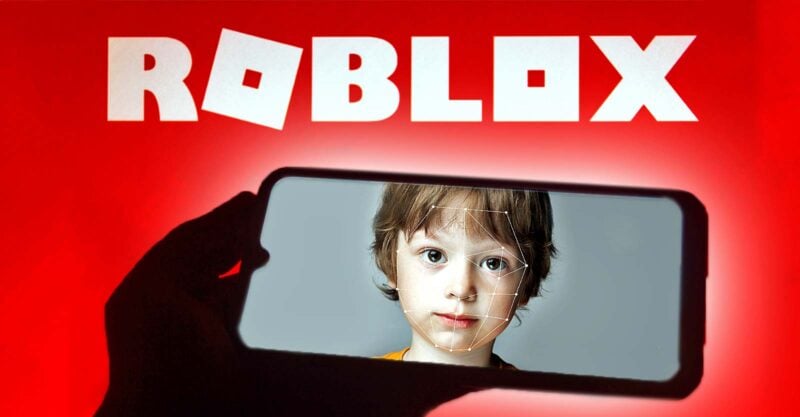


The popular online gaming platform Roblox is rolling out a new system to verify users’ age by analyzing images of their faces, The Associated Press reported.
The change comes amid mounting pressure on the platform to protect child safety. The company has faced lawsuits for not protecting children from predatory behavior by adults, and many countries and U.S. states have begun passing age verification laws and other regulations for social media use by children and teens.
Roblox is a massive gaming platform that claims 88.9 million active daily users and over 1 billion users worldwide. Nearly 40% of those users are 13 years old or younger.
The platform hosts viral games used by kids and teens, including Grow a Garden and Steal a Brainrot.
Under the new system, users who want to access the platform’s chat feature must go through a “Facial Age Estimation” process in the Roblox app using their device’s camera. Persona, a third-party vendor, processes the age-check images and video. Roblex said the images for verification are deleted after they are processed.
Once verified, users are placed into one of six age groups: under age 9, 9-12, 13-15, 16-17, 18-20, and 21 or older. Chat access is restricted so users can communicate only with others in the same or adjacent age brackets. For example, a 12-year-old may chat only with users 15 or younger, and an 18-year-old can chat with users 16 and older.
“We see it as a way for our users to have more trust in who the other people they are talking with are in these games,” said Roblox Chief Safety Officer Matt Kaufman, The Guardian reported. “And so we see it as a real opportunity to build confidence in the platform and build confidence amongst our users.”
Kaufman also said that between the ages of about 5 and 25, the system can accurately estimate a person’s age within one or two years. When the software fails, people can correct their age using a state-issued ID or parental controls. Age identification will be required for all users, not just children, once the global mandatory phase begins.
In an interview with The New York Times “Hard Fork” podcast, Roblox CEO David Baszucki said the company does “a bunch of monitoring” and that facial analysis is one more tool it will use. He said it is one more signal “that can help us make cool decisions.”
The rollout begins in early December in select markets including Australia, the Netherlands and New Zealand. Global enforcement is expected to take effect in early January 2026.
A growing number of tech companies are implementing verification systems. Google recently started testing a new age-verification system for YouTube that relies on artificial intelligence (AI) to differentiate between adults and minors based on their viewing histories. The system flags users it determines are under 18 and implements controls.
Instagram is also testing an AI system to determine if kids are lying about their ages. If the system detects a teenager using Instagram, it converts the account to a teen account.
In a press release, Roblox said it anticipates that its age verification method will become an industry standard.


This article was funded by critical thinkers like you.
The Defender is 100% reader-supported. No corporate sponsors. No paywalls. Our writers and editors rely on you to fund stories like this that mainstream media won’t write.
Dangers of facial recognition software for children
Louisiana, Kentucky and Texas have sued Roblox, alleging its lack of safety protocols endangers children. More than 20 lawsuits accusing the platform of enabling child sexual exploitation were filed in federal court this year, according to the Times.
The company said its new features will help address child safety issues — but some critics note that facial recognition software also raises new serious concerns.
Although tech companies say user data is secure, there have been many hacks and data breaches that have allowed hackers to gain access to photos.
Organizations, including the American Civil Liberties Union, have raised concerns about data collection associated with facial recognition software, particularly regarding children. The organization warned that industries like EdTech can collect massive amounts of data on children and create personal information dossiers that may violate their rights.
Companies, including Microsoft, have faced fines from the Federal Trade Commission for collecting children’s personal information. Many popular gaming apps also reportedly collect and share children’s personal information, including their location and movements.
Facial recognition technologies can have severe privacy implications, according to Lindsey Barrett, assistant professor at the Thomas R. Kline School of Law at Drexel University, who advocates for a ban on facial recognition for children.
“They can weaponize existing photographic databases in a way that other technologies cannot, and faces are difficult or impossible to change, and often illegal to publicly obscure,” which “threatens both privacy and free expression,” she wrote in the Boston University Journal of Science & Technology Law.
Young people are particularly vulnerable to facial recognition technologies in part because they are often considered ideal candidates for it. That’s especially true for platforms like Roblox. Adults naturally seek heightened protection for children using a platform used by almost 90 million people, nearly half of whom are under age 13, according to Barrett.
Awareness of surveillance is more likely to “chill” free expression among children and have a significant impact on their emotional and intellectual development. Their images may also be misused by law enforcement.
“Many of these harms are similarly applicable to and deeply concerning for adults, but may be even more severe for children due to their immaturity and the fact that childhood and adolescence are tremendously formative for both identity and opportunities later in life,” Barrett wrote.
Related articles in The Defender- Under Guise of ‘Helping’ Schools, Big Tech Collects — and Profits From — Kids’ Data
- Today’s Surveillance Technology Makes 2013 Look Like ‘Child’s Play,’ Snowden Warns
- Big Tech’s ‘Sinister Agenda’ Behind Getting Kids Hooked on Technology
- AI ‘Nanny Bots’ Promise Kids ‘Genuine Friendship’ — But Experts Warn of Harm to Cognitive, Social Development