Login
Login
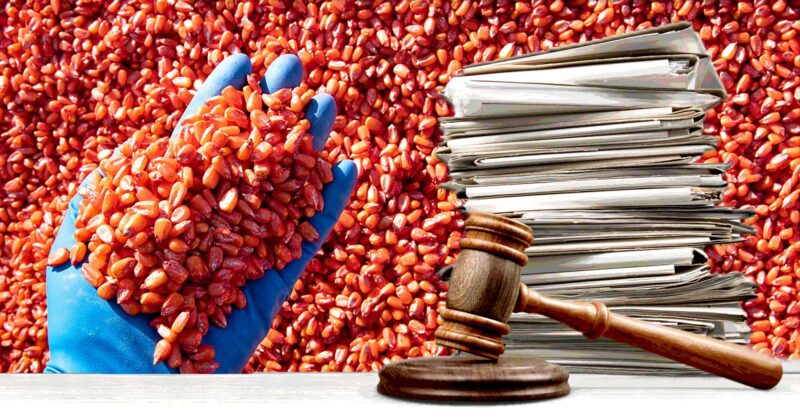


Center for Food Safety (CFS) on Tuesday filed a lawsuit under the Freedom of Information Act (FOIA) to compel the U.S. Environmental Protection Agency (EPA) to disclose crucial documents regarding the use and disposal of seeds at ethanol plants treated with the neonicotinoid insecticides acetamiprid, clothianidin, imidacloprid and thiamethoxam.
CFS first requested the documents via FOIA in 2023 to gain a better understanding of EPA’s regulation of neonicotinoid-coated seeds and their disposal. Because EPA has failed to meet the deadline for responding to the initial FOIA request, CFS is now suing the agency to force the release of the documents.
“The unregulated disposal of coated seeds has caused severe human health and ecological harm, and it is unclear where seed companies are sending this toxic seed waste. It’s essential we obtain this information to mitigate the harm of this toxic waste,” said Suzannah Smith, an attorney at CFS.
Neonicotinoids (or “neonics”) are neurotoxic and have been linked to the population decline of vulnerable pollinators like bees and birds. They have been shown to cause potential developmental harm, neurological issues and reproductive damage in exposed humans.
When utilizing these seeds in ethanol feedstock, the chemicals are concentrated in both the solid and liquid byproducts of production, which can pose health hazards when improperly stored or disposed of.
Yesterday’s filing supports Center for Food Safety’s case in an over-decade-long campaign to close the Treated Article Exemption, a regulatory loophole that allows these seeds to forego Federal Insecticide, Fungicide and Rodenticide Act’s (FIFRA) registration and labeling requirements that other pesticide products abide by.


Background
Introduced in the 1990s, neonicotinoids are the most widely used class of insecticides globally. Chemically similar to nicotine, they kill insects by disrupting their nervous systems.
Neonicotinoids can be sprayed or applied to soil, but the vast majority are coated onto the seeds of corn, soybeans, sunflowers and a wide range of other crops grown on several hundred million acres in the U.S. The seed coating sheds from the seed after planting, contaminating surrounding plants, soil and water.
Although these seeds fit the definition of a “pesticide” and have devastating impacts on the environment and human health, the EPA exempts the coated seeds from FIFRA’s registration and labeling requirements under the Treated Article exemption.
In 2017, CFS filed a petition with EPA asking the agency to amend its regulations and close the Treated Article loophole. Five years later, EPA still had not responded to that petition, so in 2021, CFS filed a lawsuit asking the court to compel an answer from the agency. Finally, in September of 2022, EPA responded by denying the petition.
In reply, CFS filed a lawsuit in June of 2023 challenging EPA’s denial of the petition as unlawful, the latest in our efforts to finally close this destructive loophole.
The district court agreed with EPA’s denial of the petition’s request, but refused to rule on the question of whether that exemption itself, as applied, is contrary to FIFRA. We are now before the Ninth Circuit Court of Appeals to address this question.
CFS is dedicated to ensuring the public has access to information concerning government regulation of food production. CFS’s FOIA program is committed to upholding the principles embodied in FOIA, such as maintaining an open and transparent government.
Originally published by the Center for Food Safety.