Login
Login
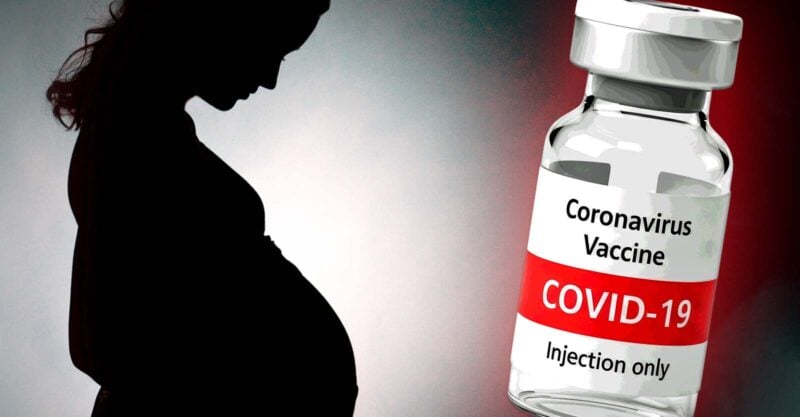


A new study from Iran found that two rare birth defects — atrioventricular septal defects (AVSD) and cleft palate — occurred more often in infants whose mothers received a COVID-19 vaccine during the first 12 weeks of pregnancy compared with mothers who received the vaccine later or not at all.
Unlike studies conducted in the U.S. and Europe, none of the women in the Iranian study received mRNA vaccines — however, all of the COVID-19 vaccines available in Iran contain 0.25-0.50 milligrams of aluminum adjuvant, Children’s Health Defense Senior Research Scientist Karl Jablonowski told The Defender.
Shots containing aluminum are not typically recommended for pregnant women in their first trimester, Jablonowski said.
Participants in the new study received either inactivated-virus or viral-vector COVID-19 vaccines. Researchers anonymized the specific vaccine brands “due to ethical and regulatory constraints.”
Other Iranian studies indicate that China’s Covilo, also known as Sinopharm, is the most commonly administered COVID-19 vaccine in Iran. That shot, Coviran Barkat, and the India-produced Covaxin were available in Iran at the time of the study.
The study, published last month in Sage Open Medicine, analyzed 1,352 pregnancies from two Iranian cities between 2022 and 2023.
Researchers compared three groups: 303 women who received no COVID-19 vaccine during pregnancy, 262 women who received at least one dose between conception and 11 weeks, 6 days of gestation — the window when fetal organs form — and 787 women vaccinated after the first trimester.
The authors said they were motivated by a gap in the research: COVID-19 vaccination is widely recommended for pregnant women worldwide, yet few studies have examined the link between early-pregnancy vaccination and birth defects.
“Research assessing whether these vaccines could influence embryonic development is crucial,” they wrote.
The authors cautioned that their findings are preliminary, based on small numbers of cases, and do not establish that vaccination caused the birth defects.
Jablonowski agreed that the study can’t establish causation but said it offers a starting point.
“It can generate hypotheses, and with this study, we’ve been handed a really good argument to start generating hypotheses,” particularly about vaccines that contain aluminum adjuvants.

Birth defects rare, but more common among women vaccinated in first trimester
Researchers evaluated birth defects detected during routine prenatal ultrasound examinations performed between 18 and 20 weeks of pregnancy between 2022 and 2023 among women in two major Iranian cities.
Demographic and pregnancy characteristics were relatively balanced across the groups, as were previous COVID-19 infection rates.
Although birth defects were uncommon overall, the researchers found that women vaccinated during the first trimester had babies who had them at higher rates.
Among the findings:
- Six cases of AVSD, a congenital heart defect, occurred in the first trimester, compared with none in the unvaccinated group and one in the group of women who received the vaccine after the first trimester.
- Two cases of cleft palate occurred among women vaccinated before 12 weeks, compared with no cases in either comparison group.
The study did not capture spontaneous abortions occurring before routine ultrasound screening, or pregnancies terminated before anomaly scans, the authors said.


This article was funded by critical thinkers like you.
The Defender is 100% reader-supported. No corporate sponsors. No paywalls. Our writers and editors rely on you to fund stories like this that mainstream media won’t write.
Authors caution against drawing causal conclusions, but call for further research
The researchers noted that other studies, including a large observational cohort study using data from the U.S. Vaccine Safety Datalink, had found no meaningful increase — 1.02 times the risk — for birth defects among women vaccinated in the first trimester versus those vaccinated later.
Although the Iranian study found statistically significant differences in AVSD and cleft palate rates, the authors repeatedly described their work as exploratory.
“Our descriptive analysis found slightly higher frequencies of atrioventricular septal defects (AVSD) and cleft palate in women vaccinated inside the teratogenic window,” they wrote, adding that “given the limited event counts and descriptive design, causal inference cannot be drawn.”
Still, they wrote, the results “underscore the importance of continued surveillance and pooled data analyses to investigate rare congenital outcomes.” Larger studies with more early-pregnancy exposures are needed to determine whether the differences are real or due to chance, they said.
Jablonowski said the findings raise a narrower question for future research: the effects of aluminum-adjuvanted vaccines specifically in early pregnancy.
The World Health Organization (WHO) recommended the Sinopharm vaccine for pregnant women, even though the agency acknowledged at the time that the data were “insufficient to assess either vaccine efficacy or vaccine-associated risks in pregnancy.”
The WHO said the vaccine’s inactivated-virus design and common adjuvant meant it was expected to be safe and effective for pregnant and breastfeeding women, and did not recommend pregnancy testing before vaccination.
Jablonowski said it’s uncommon in the U.S. and much of the world to give pregnant women aluminum-adjuvanted vaccines in the first trimester.
The Tdap vaccine, which contains an aluminum adjuvant, is not typically given until 27 to 36 weeks of gestation. The flu vaccine is recommended at any point during pregnancy but contains no aluminum.
The only women typically advised to get an aluminum-adjuvanted vaccine in the first trimester are those at risk of hepatitis B — “and even that should give most providers pause,” Jablonowski said.
The study’s data showed a significant association between aluminum exposure and an increase in septal defects, a subset of AVSD, Jablonowski said, adding that the findings raise questions about administering aluminum-adjuvanted vaccines early in pregnancy that warrant further research.
Related articles in The Defender
- Study Finds 37 Safety Signals for COVID Vaccines During Pregnancy, CDC Still Urges Women to Get the Shots
- ‘The Narrative is Cracking’: CDC Adviser Who Promoted COVID Vaccines for Pregnant Women Resigns
- Another Study Shows Higher Miscarriage Rate Among Women Who Received COVID Vaccines
- Increase in Miscarriages, Stillbirths Directly Linked to COVID Shots, Data Show — Health Officials ‘Should Have Known’