Login
Login
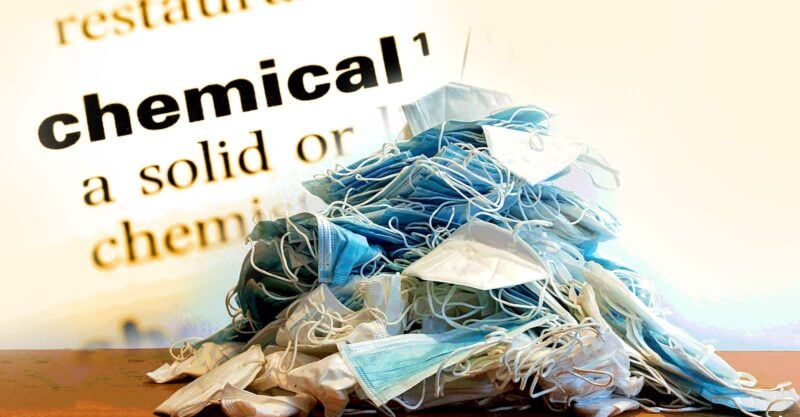


Millions of tons of waste from disposable face masks used during the COVID-19 pandemic are now breaking down, releasing microplastics and toxic chemicals that threaten human and environmental health, according to a study published in Environmental Pollution.
The masks, promoted as a measure to protect human health, left behind a chemical time bomb with risks that may last for generations, according to The Guardian.
“This study has underlined the urgent need to rethink how we produce, use and dispose of face masks,” lead author Anna Bogush, Ph.D., of Coventry University’s Research Centre for Agroecology, Water and Resilience said in a press release.
Microplastics have been steadily increasing in water, air, food and soil for decades and are directly tied to the rising global production of plastic.
During the pandemic, government health agencies worldwide, including the Centers for Disease Control and Prevention (CDC), promoted masks to stop the spread of COVID-19 — even though the CDC’s own research found masks had no substantial effect in stopping the transmission of respiratory viruses.
As a result, over 129 billion disposable face masks were used globally each month, according to the study.
Most masks were made from polypropylene, though other types of plastic were also used. Some contained small pieces of metal for nose clips.
The masks were not recyclable, and often were not thrown in the trash. Today, they still litter streets, sidewalks, footpaths, parking areas, gutters, waterways, parks and beaches.
The authors estimated that about 4.3 million tons of “unrecyclable contaminated plastic waste” were generated from the masks in a single year, leaching microplastics into the environment from landfills and litter.
Face masks can also contain plastic additives, including organic chemicals, dyes and heavy metals, that leach into the land and water. The additives can release and spread pathogens, including bacteria, viruses, parasites and fungi.
Measuring microplastics and industrial chemicals
The researchers designed their study to test the toxins and microplastics released by different types of unused face masks, including respirator-style masks, surgical masks and various “filtering face pieces.”
They placed new masks in purified water for 24 hours, then analyzed the liquid to determine what leached out. Even without wear and tear, the masks were found to release microplastics and pollutants used during the manufacturing process.
All the masks they analyzed released microplastics, and most particles were very small — many under 100 micrometers in size, which is about the width of a human hair.
They found that the FFP2 and FFP3 masks — a European certification that designates the respirator-type masks marketed as providing the highest protection — leached three to four times as many microplastics as surgical masks.
The Defender is 100% reader-supported. No corporate sponsors. No paywalls. Our writers and editors rely on you to fund stories like this that mainstream media won’t write. 

This article was funded by critical thinkers like you.
Masks also released chemical additives — including bisphenol B, a known endocrine disruptor used to make plastics and other compounds needed for mask manufacturing.
Bisphenol B acts like estrogen in the body, interfering with hormonal systems. It has been associated with reduced sperm production and alterations in reproductive organs.
Plastics and chemicals leaching from the millions of tons of discarded masks also harm aquatic life, the study said. As microplastics and toxins enter the food chain, pollute water and build up in the environment, they can further endanger people.
“As we move forward, it’s vital that we raise awareness of these risks, support the development of more sustainable alternatives and make informed choices to protect our health and the environment,” Bogush said.
Related articles in The Defender
- Discarded Face Masks Contributed to 77% Increase in Microplastics in Thames River
- Scientists Studied 12 Masks — Every One Contained This Cancer-Causing Compound
- CDC’s Own Scientists Found Masks Ineffective for COVID — But Agency Recommended Them Anyway
- 3 Million Masks a Minute: The Next Plastic Problem?