Login


By Pamela Ferdinand
Key findings
- One study estimated that polypropylene baby bottles can release up to 16.2 million microplastic particles per liter of formula during conventional formula preparation.
- Studies detected microplastics and chemicals, including phthalates and bisphenols, in formula, packaging and other feeding products.
- Some studies reported changes in gut bacteria, immune-related markers and hormone function, but the review could not establish whether exposure causes harm.
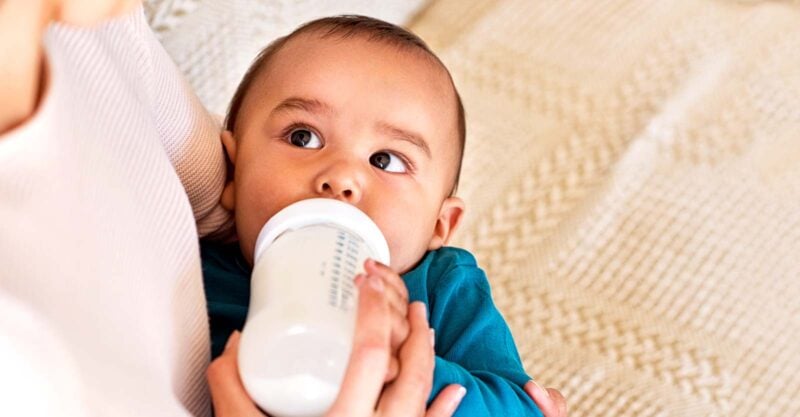
Babies may consume millions of microplastics and traces of harmful chemicals through infant formula, plastic bottles and other feeding products, according to a scientific review.
The review, published in September in Environmental Science and Pollution Research, examined 27 studies of these products published over the past decade.
They show evidence of tiny plastic particles and endocrine-disrupting chemicals, including phthalates, bisphenols, per- and polyfluoroalkyl substances (PFAS or “forever chemicals”), and organophosphorus flame retardants and their byproducts.
Overall, the findings highlight an emerging problem with “profound” implications for public health, the authors said.
“This review highlights the daily, unnoticed, and poorly regulated exposure to various chemical agents that occurs today,” they wrote.
“The discovery of plastic particles in infant formula and baby bottles, even before their first use, raises ethical questions about the safety of products intended for this population.”
The amounts may be tiny by weight, but these exposures may cause long-term health harms. Frequent formula consumption, especially where breastfeeding is limited, adds to worries about exposure.
Microplastics (MPs, or particles smaller than 5 millimeters) can produce highly reactive, oxygen-containing molecules that can damage cells. MPs may also damage the intestinal lining or gut bacteria, studies show.
Meanwhile, endocrine-disrupting chemicals can interfere with hormonal signaling and the body’s energy regulation, the authors said.
Chemicals such as phthalates, bisphenol A (BPA) and PFAS have been linked to adverse birth outcomes, asthma, cardiovascular disease, cognitive decline, obesity, and reproductive health problems.
Recent evidence, for example, suggests that early PFAS exposure can affect children and adults, and that some adverse effects may be transferred to the next generation.
How babies may be exposed to contaminants
Infants face unique risks from exposure to these compounds because their bodies are still developing and cannot process and eliminate most contaminants as efficiently as adults. Their nervous and hormonal systems are also more sensitive to disruptions in metabolism and hormone regulation.
The review describes two main routes of exposure: plastic particles released from plastic bottles, feeding utensils or packaging, and chemicals that migrate from food-contact materials into commercial formula.
One study estimated that polypropylene baby bottles can release 1.3 million to 16.2 million microplastic particles per liter (33.8 ounces) during conventional formula preparation. A 4-ounce bottle could contain nearly 2 million particles, the review showed.
The review also found plastic particles in commercially available powdered formulas and chemicals in formula packaging and solid or semi-solid foods. Reported substances included phthalates such as di(2-ethylhexyl) phthalate, BPA and organophosphate flame retardants and their byproducts.
Exposure may begin before birth. The review identified studies that detected plastic particles or related substances in the placenta, breast milk and other biological samples, suggesting that infants may encounter contaminants beyond formula and bottles. Human milk remains the recommended nutrition for infants.
Another study, published in October, adds to concerns that microplastics can enter drinking water intended for infants and young children.
Researchers consistently detected polypropylene particles measuring 20-50 micrometers in water from plastic “sippy cups,” water bottles with straws designed for toddlers.
They estimated that children ages 3-6 could ingest 1.2 nanograms of polypropylene per kilogram of body weight daily by taking 100 sips from a reusable polypropylene bottle. Prolonged use, sucking and biting the straw may contribute to particle release.
Plastic chemicals may harm infant gut health and immunity
Some studies cited in the September review reported associations between exposure to plastic-related chemicals and changes in the body that can affect an infant’s health or development.
One, for instance, found lower gut bacterial diversity. These bacteria help train the immune system, protect against harmful microbes and support digestion.
Another study linked plastic baby-bottle use to changes in intestinal vitamins and minerals and short-chain fatty acids. These compounds help maintain gut health, support the immune system and regulate inflammation.
Animal experiments also reported possible long-term effects. In one study, researchers found changes in hormone levels and ovarian dysfunction. They also reported reproductive effects across generations in mouse pups exposed to microplastics.
Other animal studies suggested that microplastics could interfere with digestion and absorption of essential milk proteins. These proteins help provide nutrients for growth and development.
“Findings from animal models reinforce the biological plausibility of potential long-term health effects; however, their applicability to human populations remains uncertain,” the authors wrote.
Calls for better monitoring, regulation of infant feeding supplies
The review has important limitations. The researchers said they did not assess the quality of the 27 studies. Differences in testing methods and sample sizes made findings difficult to compare. Most of the evidence came from observational studies, laboratory experiments or animal studies.
Still to be determined is how much of these contaminants infants absorb, how their bodies respond, and whether there are lasting health effects of exposure, the authors cautioned. Finding contaminants in infant products does not prove that they cause illness.
In addition, no internationally accepted limits exist for microplastics in food, and rules for chemical additives vary by region.
Earlier this year, the U.S. Food and Drug Administration said infant formula remains safe after reporting results from its largest-ever testing of infant formula for contaminants, including heavy metals, pesticides, phthalates and PFAS. The tests did not cover microplastics.
The authors recommend:
- Better monitoring of microplastics and hormone-disrupting chemicals in infant formula, packaging and feeding products.
- Consistent testing methods.
- More research into early childhood exposure.
- Safer packaging.
- Stricter limits on chemicals that move from packaging into food.
“Protecting the developing population means anticipating and controlling these factors that could threaten health,” the authors wrote.
“Although we have only partial evidence, it is sufficient to justify responses from regulatory, public health, and research agencies, making it necessary to establish a child toxicological surveillance system that takes concrete action to address this issue.”
Originally published by U.S. Right to Know.
Pamela Ferdinand is an award-winning journalist and former Massachusetts Institute of Technology Knight Science Journalism fellow who covers the commercial determinants of public health.