 Login
Login


Take Action! Tell Congress to Get These ‘Poison Pills’ Out of the Farm Bill
The 2026 Farm Bill threatens public health by prioritizing chemical companies over farmers, families, and local communities. Learn which provisions put our food, water, and health at risk and how you can take action.
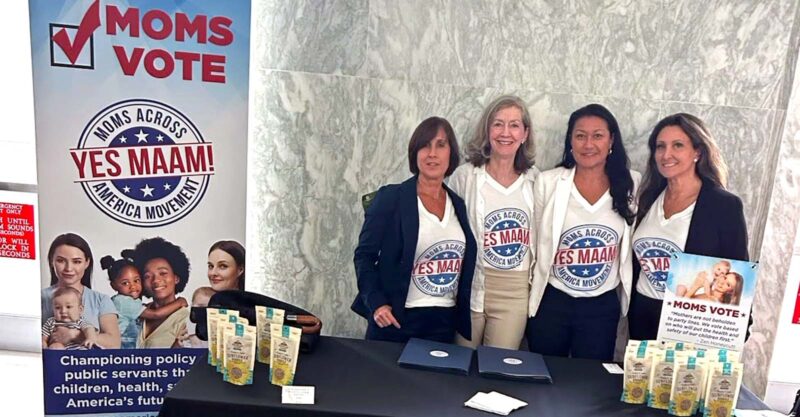
Some elected officials claim the 2026 Farm Bill puts “Farmers First.” The reality is far different. The proposed legislation prioritizes pesticide companies over farmers, families, and public health.
If passed as written, the bill would prevent farmers from suing chemical companies for harm caused by pesticides, restrict state and local protections, and delay critical U.S. Environmental Protection Agency (EPA) reviews of toxic chemicals.
Now is the time to protect our communities, our children, and the food we all depend on. Urge your legislators to make critical amendments to the Farm Bill by taking action here.
Several provisions in the bill are particularly concerning. One section forces the EPA to weigh economic factors when evaluating pesticide safety, which puts profits above human health. Another delays pesticide reviews until 2031, leaving harmful chemicals on the market for years.
The bill also standardizes pesticide labeling in ways that block lawsuits at the state and local level. It bans local governments from restricting pesticide use, and loosens restrictions on spraying chemicals into water, putting drinking water at risk.
Even provisions meant to improve data collection are overshadowed by rules that reduce pressure on the EPA to act quickly.
Several provisions in the 2026 Farm Bill are particularly concerning and must be removed:
- Sec. 10202: Requires the EPA to coordinate with the U.S. Department of Agriculture (USDA) and weigh economic viability in pesticide risk and safety decisions. This puts production economics ahead of health protection — literally putting money before safety.
- Sec. 10204: Extends the EPA’s pesticide re-review deadline to 2031, keeping unsafe chemicals on the market and delaying endocrine screenings for hormone-disrupting chemicals.
- Sec. 10205: Standardizes pesticide labeling, blocking state, local, and court rights, effectively giving chemical companies immunity from lawsuits.
- Sec. 10206: Bans local governments from implementing pesticide restrictions, meaning towns and cities lose protections against glyphosate use in schools, playgrounds, and parks. Our volunteers fought hard for these protections; this undermines local rights.
- Sec. 10207: Loosens restrictions on spraying pesticides directly into bodies of water, putting safe drinking water at risk.
- Sec. 10211: While the bill improves some data collection, it reduces pressure on the EPA to speed up backlogged safety reviews and can override other laws, weakening environmental oversight.
Most Americans are unaware of these provisions because life is expensive and overwhelming. Food, energy, healthcare, and housing costs are rising far faster than wages, leaving families financially stretched.
Meanwhile, exposure to toxic chemicals in food, water, vaccines, personal care, and household products is driving rising rates of cancer, infertility, mental health struggles, and chronic illnesses.
Allowing chemical companies immunity while continuing to expose Americans to these toxins is reckless and threatens both public health and the economy.
Science shows why this matters. Glyphosate, a widely used herbicide, even at low “drift-level” exposures, reduces the uptake of essential minerals like magnesium, zinc, and iron in crops.
Over time, this creates nutrient-deficient food, weakening immune systems and contributing to widespread health issues. Today, Americans must eat far more food than previous generations just to get the same nutrients, creating a silent public health crisis.
This corporate influence is also evident in campaign funding. In 2020, pesticide and agribusiness donations totaled $98 million to Republicans and $46 million to Democrats.
In 2024, those numbers were $41.3 million to Republicans and $18.5 million to Democrats. During the debate over Section 453, Rep. Mike Simpson (R-Idaho) claimed that MAHA activists were “getting so much misinformation about what this does.”
In reality, activists have accurate information — his statement reflects a different agenda. Rep. Glenn “GT” Thompson (R-Pa.) also played a key role, pushing pesticide immunity through the U.S. House of Representatives Agriculture Committee while claiming he was putting farmers first.
The House Rules Committee will now decide whether amendments can be made before the Farm Bill reaches the House floor. Citizens can and should take action to demand the removal of these dangerous provisions.
Contacting committee members, calling their offices directly, and sending emails are important ways to ensure that farmers, families, and communities are prioritized over corporate profits.
We can pass a Farm Bill that truly supports farmers and public health, but only if citizens speak up. Now is the time to protect our communities, our children, and the food we all depend on.
Urge your legislators to make critical amendments to the Farm Bill by taking action here.
The views and opinions expressed in this article are those of the authors and do not necessarily reflect the views of Children’s Health Defense.
Do you have a story you’d like to share with the CHD Community? Click here for details.
