 Login
Login


Grassroots Power Prevails: Floridians Win Round One in Battle to Stop ‘Ag Gag’ Bill
Florida grassroots activists won a major victory for free speech after pushing back against language tucked into a large agricultural bill moving through the state legislature. The proposed language would have discouraged people from speaking openly about food safety, farming practices and other issues that matter to the public. The fight isn’t over, but this moment proves that organized citizens can make real change.
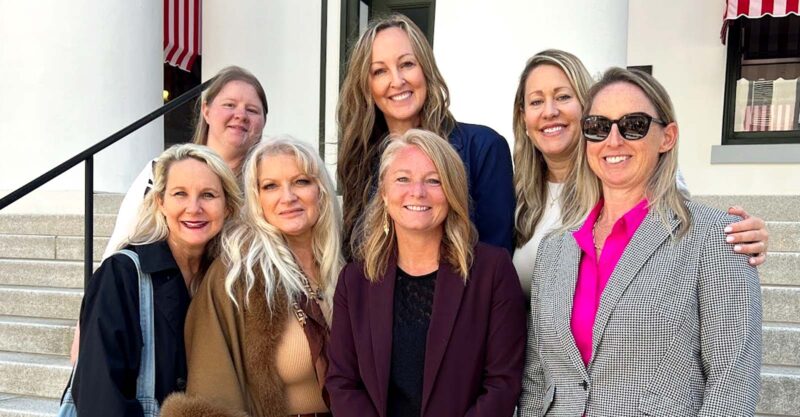
Left to right, back row: Susan Farris, Maija Hahn, Aimee Villella McBride. Front row: Julie Adamson, Ko Robins, Bailey Kuykendoll, Jennifer Swayne. CHD Florida Chapter’s Maija Hahn brought medical freedom advocates to Tallahassee to testify against Section 47 of SB290.
Grassroots activists across Florida won a major victory for free speech after pushing back against language tucked into a large agricultural bill moving through the state legislature.
The proposed “ag gag” language would have discouraged people from speaking openly about food safety, farming practices and other issues that matter to the public.
Everyday citizens spoke up and made it clear that lawmakers should not restrict public debate or silence critics.
The language in question sought to expand legal protections for agricultural products far beyond Florida’s existing food disparagement law. That law already allows farmers and companies to seek damages for financial harm when someone makes false claims about perishable food products.
However, lawmakers wanted to broaden the law to cover non-perishables and farming practices.
The proposed disparagement clause conflicts with the Healthy Florida First initiative, led by First Lady Casey DeSantis and Surgeon General Joseph Ladapo. The initiative seeks to identify and disclose harmful contaminants in commonly consumed food products.
For many Floridians, this provision in the farm bill wasn’t about politics or party labels. It was about protecting free speech and basic constitutional rights.


To defeat the proposal, Global Wellness Forum, Stand for Health Freedom, MAHA Action, Kelly Ryerson (The Glyphosate Girl), Dr. Alexandra Munoz and Children’s Health Defense (CHD) Florida Chapter moved quickly, forming a statewide coalition to mobilize citizens with support from other groups and advocates.
As CHD Florida Chapter leader, I worked with advocates across the state to organize a coordinated call-to-action. Together, we urged lawmakers to remove the entire gag section from the bill.
Parents, health coaches, healthcare professionals and concerned Floridians flooded legislative offices with calls and emails. They demanded that lawmakers protect constitutional free speech — instead of expanding corporate immunity.
The response took off fast. Advocacy alerts spread widely, and many went viral. Prominent voices, including former U.S. Rep. Matt Gaetz and U.S. Rep. Anna Paulina Luna, weighed in on X as concerns grew that a Republican-led bill with speech-restrictive language was moving through committees with little pushback.
Then something powerful happened: Lawmakers listened.
Public pressure forced a second look at the controversial language. What many assumed would pass quietly “with flying colors” suddenly faced intense scrutiny.
Grassroots action changed the course of the bill. We won the first round. But the fight isn’t over.
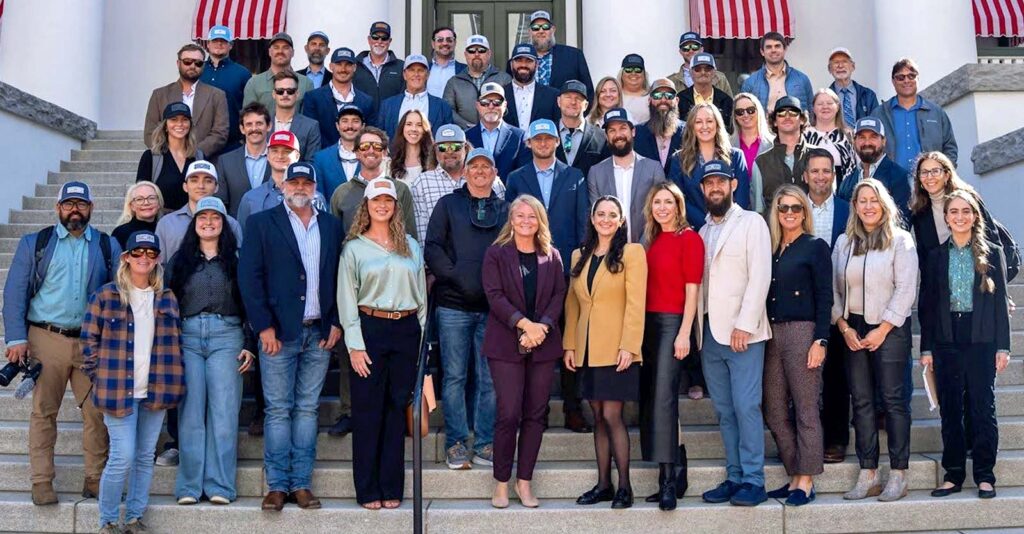
State Rep. Danny Alvarez and several Republican members in the House have made it clear that they do not see this provision as a problem. An amendment is expected, but advocates remain concerned that revised language could still expand corporate protections and quietly limit open public discussion about food-related issues.
The House must amend the bill to strike Section 47 entirely, or lawmakers should adopt the Senate version on the floor.
If you live in Florida, please call your representatives and urge them to strike Section 47 from HB433 or adopt the Senate’s version instead.
Today is still a day to celebrate. This moment proves something many people forget: Grassroots advocacy works.
Floridians did what critics said couldn’t be done. They slowed the bill’s momentum, demanded transparency and forced a public conversation that might never have happened otherwise.
Together, we are powerful.
The views and opinions expressed in this article are those of the authors and do not necessarily reflect the views of Children’s Health Defense.Do you have a story you’d like to share with the CHD Community? Click here for details.