Login


Back to Basics: Taking Charge of Your Health in an Industry-Driven World
From childhood health and vaccine safety to regenerative farming and wireless radiation, speakers including Dr. Sherri Tenpenny, Dr. Christiane Northrup and Daniel Salatin challenged conventional thinking at the Back to Basics Conference this month. They urged attendees to examine the evidence, reconnect with nature and take greater control of decisions that affect their families and communities.
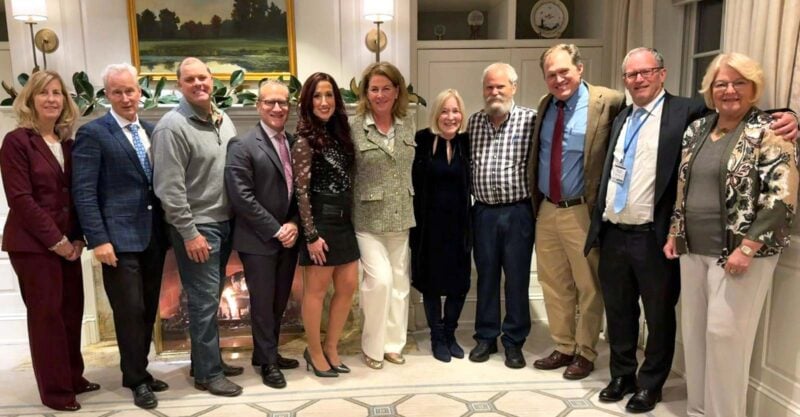
What does it mean to get back to basics? At the Back to Basics Conference earlier this month, the answer went beyond food, farming and natural health.
Speakers encouraged attendees to question industry-driven narratives, explore traditional wisdom and make informed decisions about their families, health and environment.
A common theme emerged: Getting back to basics means thinking critically, examining evidence and taking greater responsibility for our well-being.
Rethinking childhood health and vaccine safety
Dr. Sherri Tenpenny opened her presentation by describing the childhood vaccine schedule as the “pediatric poisoning program.”
She questioned how childhood vaccines are evaluated and raised concerns about clinical trial design, adverse-event monitoring and vaccine effectiveness. She also emphasized parents’ rights to transparent information and meaningful informed consent.
Dr. Larry Palevsky opened by reminding the audience that exposure to microorganisms is a constant. He said we are always contagious, so we should “expect exposure to everything.”
He urged parents and practitioners to look beyond symptom management and investigate potential underlying causes of illness. Palevsky compared treating symptoms without addressing their source to repeatedly cleaning up basement water while leaving the leak unrepaired.
Both speakers encouraged parents to ask questions, examine evidence and take a more active role in decisions about their children’s health.


The spiritual side of the COVID crisis
Dr. Christiane Northrup reflected on the personal and professional consequences of challenging prevailing medical narratives during COVID-19.
“During COVID, I realized the crisis wasn’t medical; it was spiritual,” she said.
Her message centered on personal conviction, resilience and the courage to speak out, even when doing so comes at a cost.
Dr. Peter McCullough addressed concerns about vaccine safety, adverse outcomes and public health communication. He called for greater scrutiny of the evidence and emphasized the importance of transparent safety monitoring and accountability.
Healing the soil through regenerative farming
Daniel Salatin of Polyface Farms shifted the focus to agriculture. He described how soil, plants, animals and ecosystems work together in a regenerative cycle.
“Depleted soil grows depleted food,” he said.
His family’s farming practices focus on working with nature to improve soil health, support animal welfare and build a more resilient food supply. Salatin also challenged attendees to rethink how they use their own land.
“Instead of having a yard, have a food forest,” he said.
His message was clear: Food is more than a commodity. How we grow it affects the health of our soil and the systems that sustain us.
Questions about wireless exposure and local control
I spoke on a topic that has become extremely important to me: wireless infrastructure, health and environmental concerns and the need for independent scientific research. I also addressed the limits communities face when they try to consider these issues in decisions about antenna placement.
One of the most striking moments came when I explained Section 704 of the Telecommunications Act of 1996. The law restricts state and local governments from regulating wireless facilities based on the health and environmental effects of wireless radiation.
Attendees audibly gasped as they learned how this federal law limits local decision-making.
I also shared practical ways to assess and reduce everyday wireless exposure. Attendees began checking their phone settings and exploring ways to disable wireless connections when they weren’t needed.
The response showed how education can turn an abstract issue into a personal question: What is in my environment? What do I know about it? What choices can I make?
Research into the health effects of wireless radiation continues, making independent, transparent studies especially important when it comes to children and long-term exposure.
This isn’t about rejecting technology. It’s about demanding transparency, informed choice and safer technology, along with meaningful community participation in decisions that affect where people live, learn and play.
Getting back to basics starts with informed choices
Throughout the conference, speakers challenged attendees to question conventional narratives and reconsider what it means to protect their health, families and environment.
Getting back to basics doesn’t mean rejecting every modern advancement. It means asking questions, examining evidence, preserving valuable traditional knowledge and making thoughtful decisions rather than handing over that responsibility to industry or institutions.
I left the conference feeling hopeful. Being surrounded by people willing to question, learn and stand up for what they believe was a powerful reminder that change begins with individual choices and collective action.
Whether it’s the food we grow, the products we use, the healthcare decisions we make or the technology we bring into our homes, our choices can help foster greater awareness and accountability.
Ultimately, getting back to basics means reconnecting with nature, reclaiming informed choice and protecting our freedom to make decisions that serve our families, communities and future generations.
Have a story to share? Tell us about an event you organized or attended and what you learned. Click here to submit your story and inspire fellow advocates!